A used BMW GS or RT can look like a bargain on paper and still be the wrong motorcycle for you. The model year tells you which generation and features to expect. It does not tell you whether the owner kept up with maintenance, whether a recall repair was completed, or how the bike feels when you lift it off the side stand.
If I were shopping today, I would use model years to make a shortlist—then let the individual motorcycle earn its place on that list.
GS or RT: pick the job first
The GS is the adventure-touring choice if you want an upright position, luggage flexibility and some mixed-surface capability. The RT is the road-touring choice when weather protection and sustained highway comfort matter more. Neither is automatically the better commuter or tourer. Check seat height, reach, weight at a stop, wind protection and passenger or luggage plans on the actual bike.
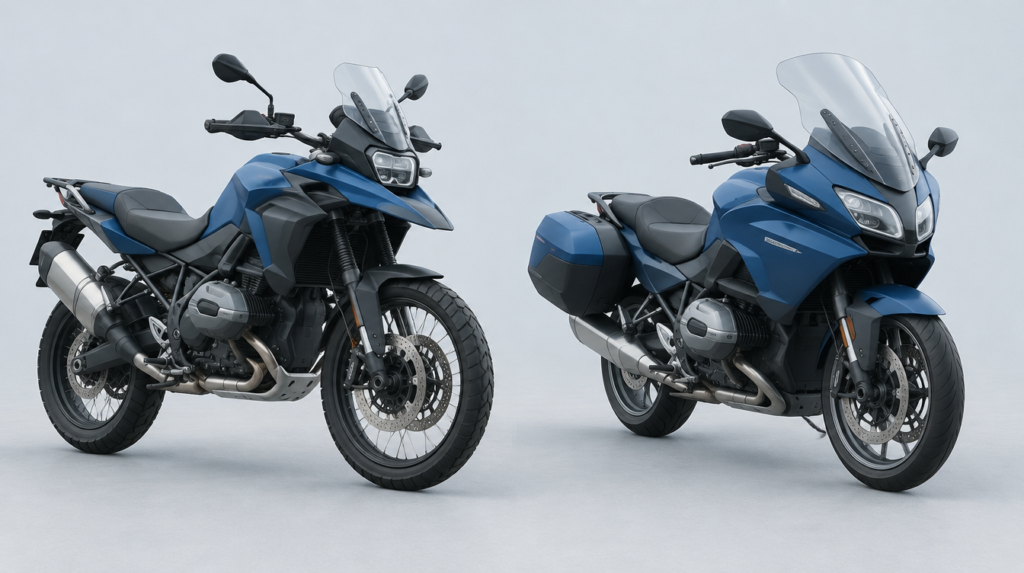
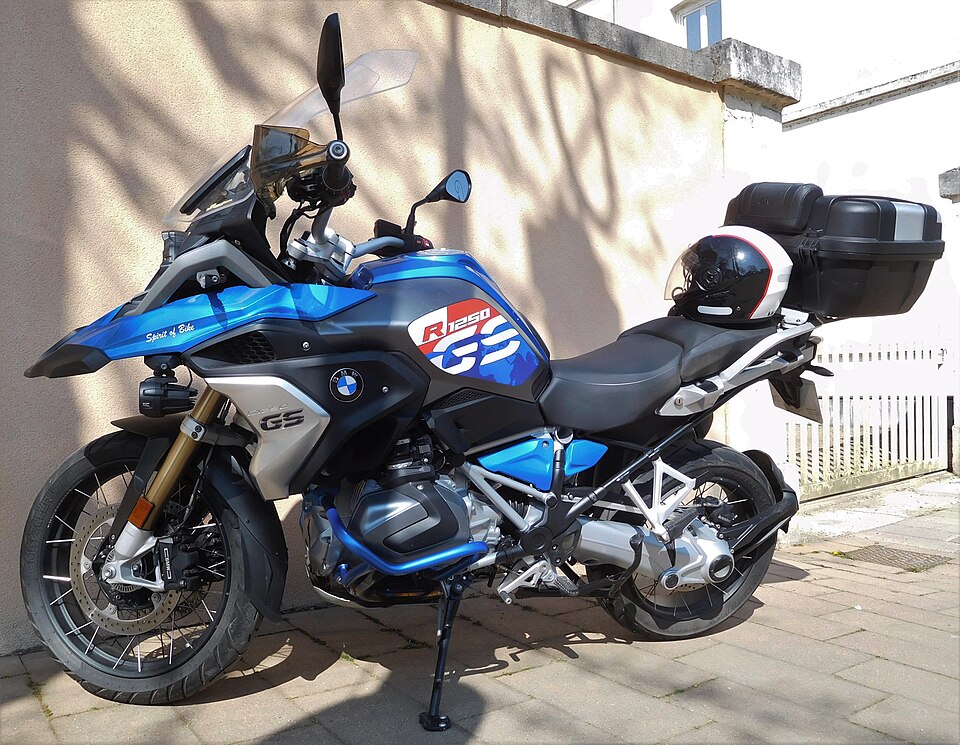
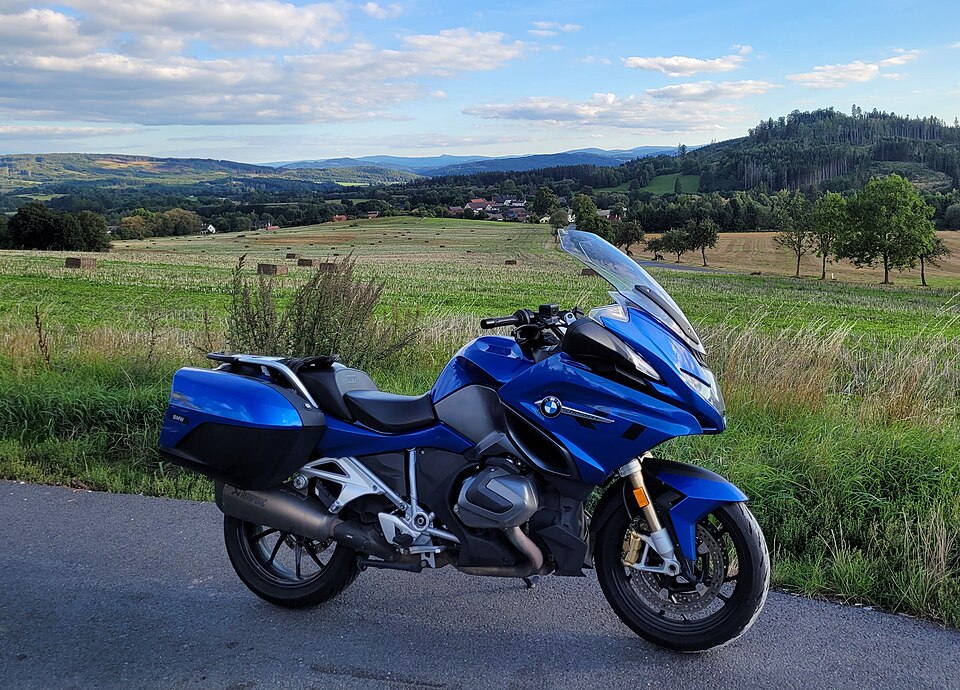
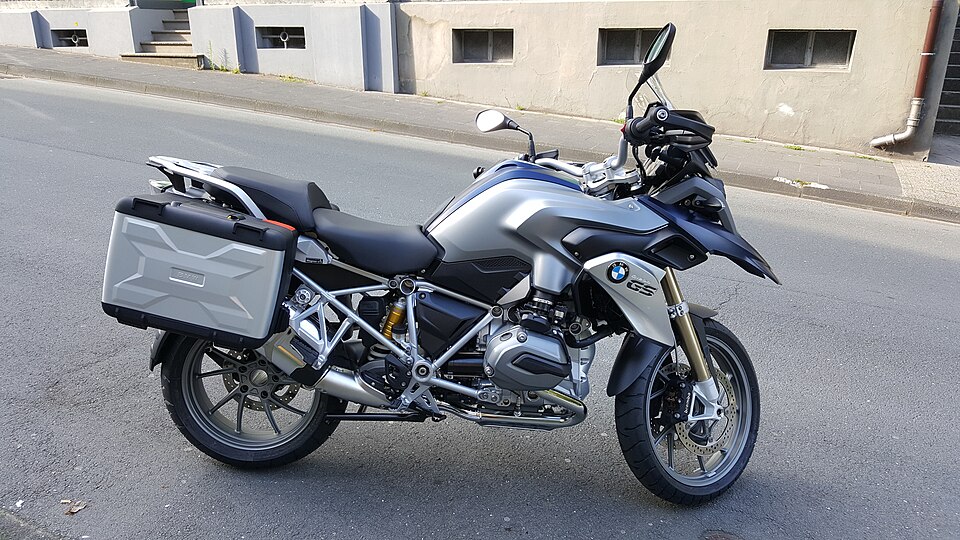
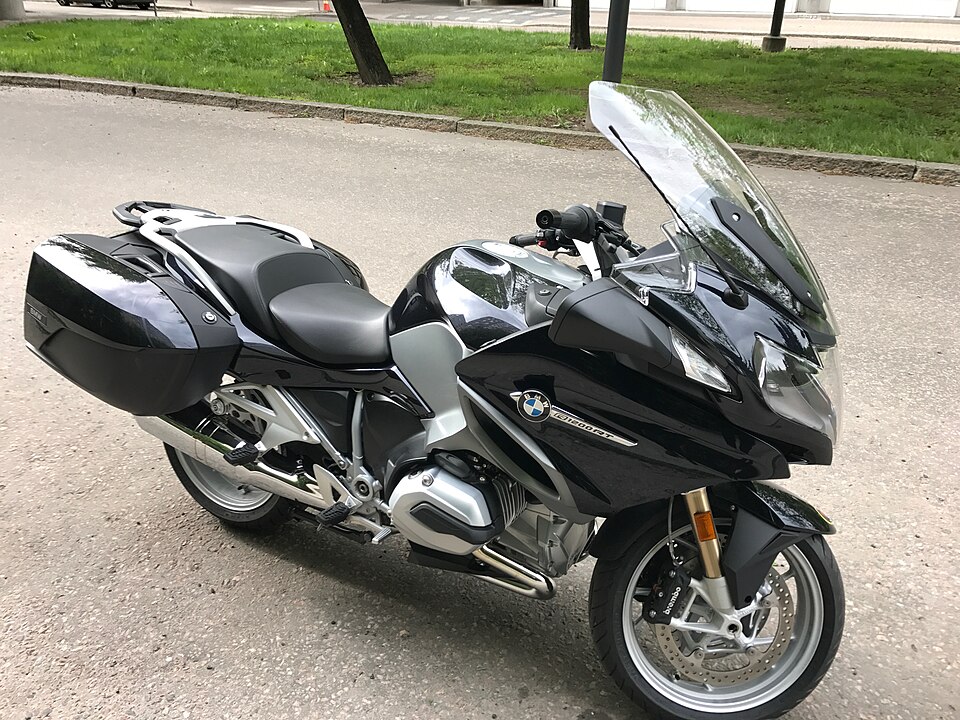
These real-bike photos show examples of the GS and RT body styles. They are not the motorcycles being evaluated in this guide.
Which generations belong on a shortlist?
Later liquid-cooled R 1200 GS and RT
These are a sensible starting point if you want boxer touring without paying for the newest platform. For model year 2017, BMW documented transmission-related refinements across its liquid-cooled boxer models, including a judder damper and revised selector components. That makes later 1200s worth comparing; it is not a guarantee that a particular motorcycle shifts perfectly. Confirm its build and specification, inspect its records and ride it yourself. BMW’s model-year 2017 release.
R 1250 GS and RT
Look here if the newer ShiftCam boxer and the features offered on these models appeal to you. BMW introduced the 1250 GS and RT together in its U.S. release. Compare actual equipment and service history rather than assuming every 1250 has the same options. A NHTSA front-caliper recall record is one example of why the VIN and repair documentation matter; it does not mean every GS or RT is affected.
R 1300 GS
Consider the newer GS platform if its changes matter to you and its total cost works for you. BMW introduced the U.S. R 1300 GS as a 2024 model. I would not call it the default used-value pick without comparing actual local listings, insurance, warranty status and condition. It is not a direct RT substitute.
These are shopping starting points, not “buy” or “avoid” verdicts for every motorcycle built in those years. I have left out price bands because mileage, equipment, location and condition can change the comparison quickly.
The inspection matters more than the ranking
Before paying a deposit, get the VIN and documented service history. Check NHTSA’s recall lookup and BMW Motorrad’s recall channel or a dealer, then ask for proof of completed repairs that apply to that specific bike. NHTSA notes that its VIN search does not show recalls already repaired, some newly announced recalls, older recalls beyond its usual window, or manufacturer service campaigns. “Zero open recalls” is useful, but it is not a complete maintenance history.
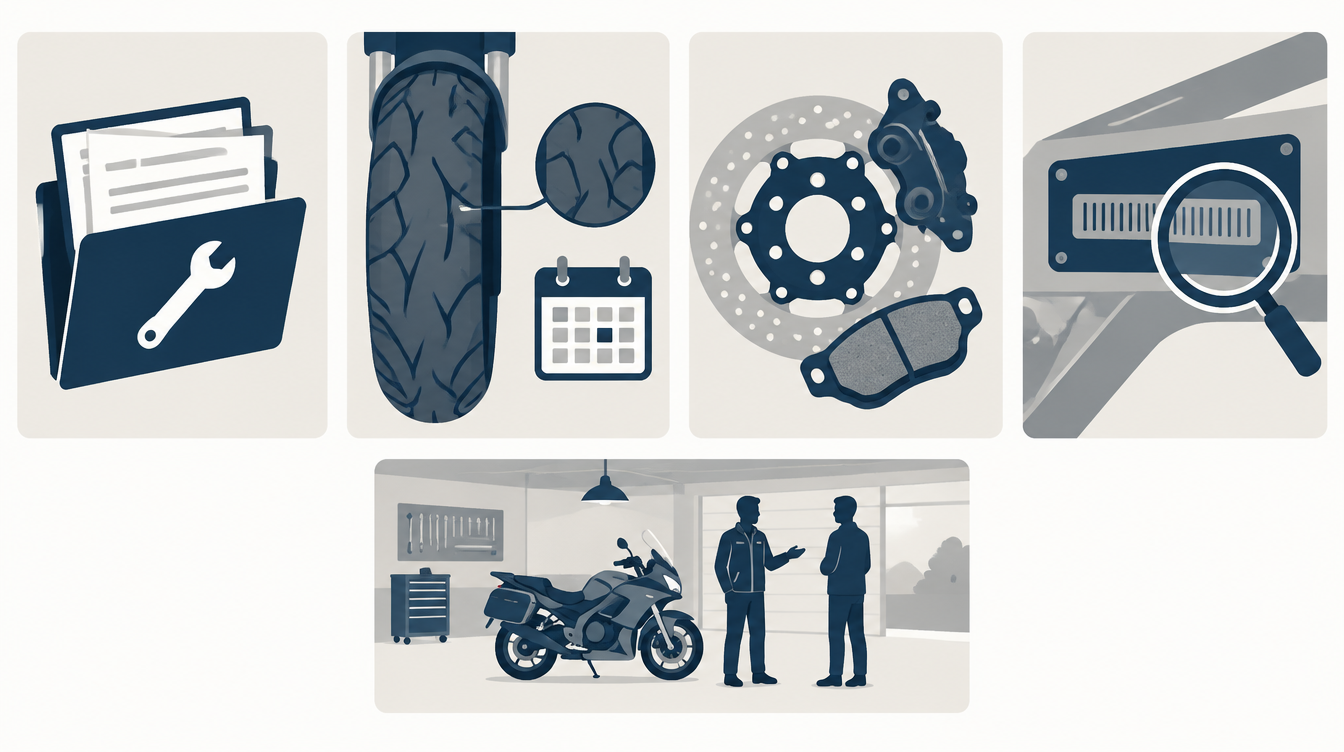
Inspect the tires, brakes, leaks, suspension, luggage mounts, controls and signs of drops or improvised repairs. If possible, see the bike started cold. Confirm that all keys, luggage, accessories and promised records are present. A qualified independent pre-purchase inspection is worth considering, especially if you cannot evaluate the bike yourself. On a legal test ride, notice low-speed balance, shifting, braking and whether the bike fits your intended use. A motorcycle can look perfect on a spec sheet and feel wrong in a parking lot.
From the field
When I look at a used GS or RT, I start with the maintenance history. I want to see what was done and when, not just hear that the bike was well cared for. Then I check the tires—because replacing them could be my first expense—and the brakes. I also pay attention to the owner and how the bike is kept. If they show it to me in their garage, is the space reasonably organized? Do they own other bikes, and can they talk me through how they have maintained this one? Those details help me decide what to ask next, but I still want the records and an inspection to back up the story.
The buying rule
I would rather buy a well-documented example of a less celebrated year than a neglected example from somebody’s “best years” list. Use the year to know what you are looking at. Use the records, VIN, inspection and ride to decide whether to buy it.