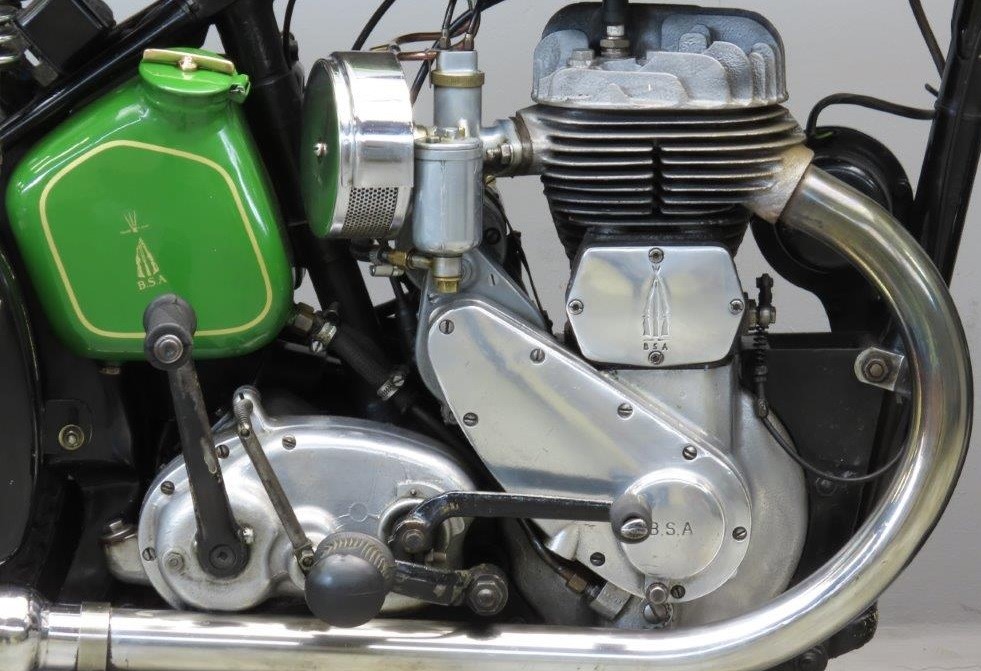
What valve clearance actually is
Every intake and exhaust valve in your engine needs a tiny gap — valve clearance — between the valve stem and the mechanism that opens it (a rocker arm, shim, or bucket, depending on the engine). That gap exists so the valve can expand as it heats up during a ride without jamming open. Too little clearance and a hot valve can’t fully close, which burns the valve face and loses compression. Too much clearance and you get noise, rough idle, and delayed valve timing.
Why it drifts
Valve seats and the valve faces that meet them wear down gradually over thousands of miles of opening and closing hundreds of times a minute. As that wear accumulates, the clearance gap grows. It’s a slow, mechanical certainty — not a sign anything was done wrong. It just means the engine has been used.
Symptoms of a check being overdue
- A ticking or clattering noise from the top of the engine, especially noticeable at idle or low RPM (valve “tick”)
- Harder starting than usual
- Reduced power or a flat feeling under acceleration
- Noticeably higher fuel consumption
- In neglected cases, enough clearance drift to bend a valve or damage the valve seat — the expensive outcome a routine check is meant to prevent
None of these symptoms are exclusive to valve clearance — a rough idle or hard start can have several causes — but if it’s been a long time since your last valve check, they’re a reasonable trigger to schedule one.
How often to check
Manufacturer-specified intervals vary significantly by engine design, and your owner’s manual is the authoritative source for your specific bike. As a general range across street motorcycles, valve clearance checks commonly fall every 8,000 to 15,000 miles, with some engines (particularly certain high-revving or performance designs) needing checks far more often, and some low-stress touring engines able to go longer. Powersports applications in general can range from every 15 hours of use up to 15,000 miles, which underlines how much this depends on your specific engine.
The practical rule: find your manufacturer’s number and actually track it. This is one of the easiest maintenance items to let slip because the bike can feel completely normal for thousands of miles past due — right up until it doesn’t.
DIY or shop job?
Checking clearance (pulling valve covers, measuring with feeler gauges) is within reach for a mechanically comfortable owner with the right gauges and a service manual. Adjusting clearance that’s out of spec is a bigger job — on shim-under-bucket designs it can mean ordering specific shim sizes and reassembling the top end, which pushes many owners toward a shop visit. If you’ve never done a valve check on your specific engine before, your first one is a reasonable time to watch a shop do it, or at minimum follow your model-specific service manual rather than generic internet advice.
From the field
I’ve done valve checks myself, and so far I’ve been lucky — mine have mostly stayed within spec. But shim-type valves are a different story. Adjusting those takes real expertise and patience, and that’s the point where I’d rather pay a mechanic to do it right than risk getting it wrong on my own bike.