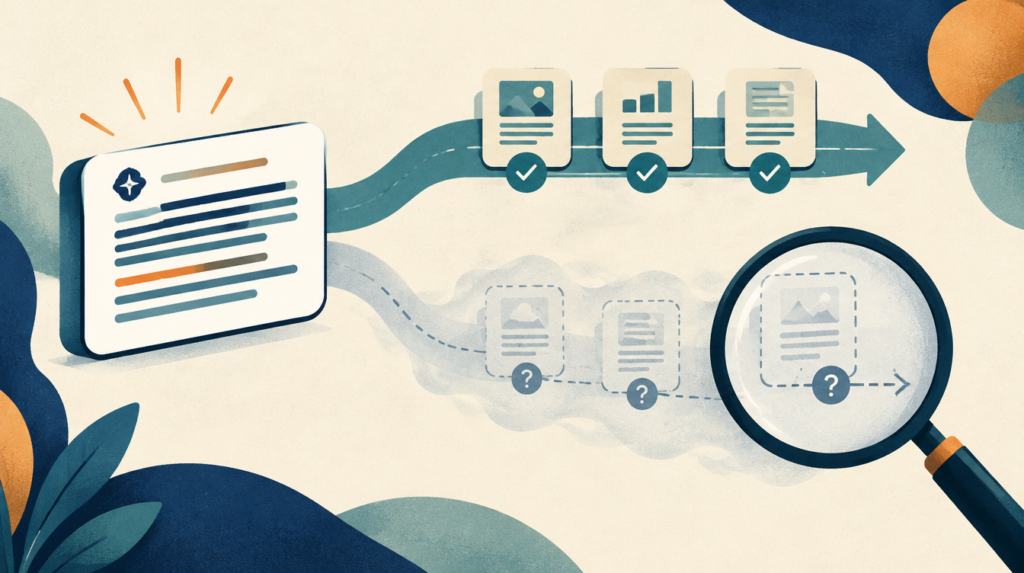
An AI answer can be clear, detailed, and completely wrong. That is the trap behind an AI “hallucination”: generated content that presents invented or unsupported information as though it were grounded in fact.
The term is shorthand, not a claim that software experiences the world as a person does. It describes an output problem. A model may invent a case citation, combine two real events, attribute a quote to the wrong person, or produce a number that no source supports.
What counts as a hallucination?
IBM’s explainer distinguishes fabricated factual claims from context errors, such as an answer that ignores the document it was supposed to summarize. In everyday use, the boundary is practical: if a consequential claim cannot be traced to a reliable source, do not treat fluent wording as evidence.
Imagine asking for cases supporting a legal argument. The assistant returns a case name, docket number, and quotation. The formatting looks convincing, but the case does not exist. That is different from a typo; the apparent source itself was invented. A less dramatic example is a real study paired with a statistic that is nowhere in the study.
Why does it happen?
Generative models produce likely sequences from patterns learned during training and from the context they are given. They are useful for drafting and synthesis, but they are not automatically checking every claim against an authoritative record. Missing context, ambiguous prompts, outdated information, and pressure to produce a complete answer can all make unsupported details look plausible. Supplying sources or retrieval tools can help, but citations must still be checked: a link may be real while the sentence attached to it is not.
Why the stakes are real
Legal researcher Damien Charlotin maintains an AI Hallucination Cases Database. At its October 16, 2026 update, it listed more than 2,000 identified cases involving court or tribunal decisions addressing AI-generated hallucinated material. That is Charlotin’s evolving research database, not an official court total or a count of every faulty AI filing. The lesson is narrower and more useful: invented citations have made it into consequential documents.
A three-step check before you rely on an answer
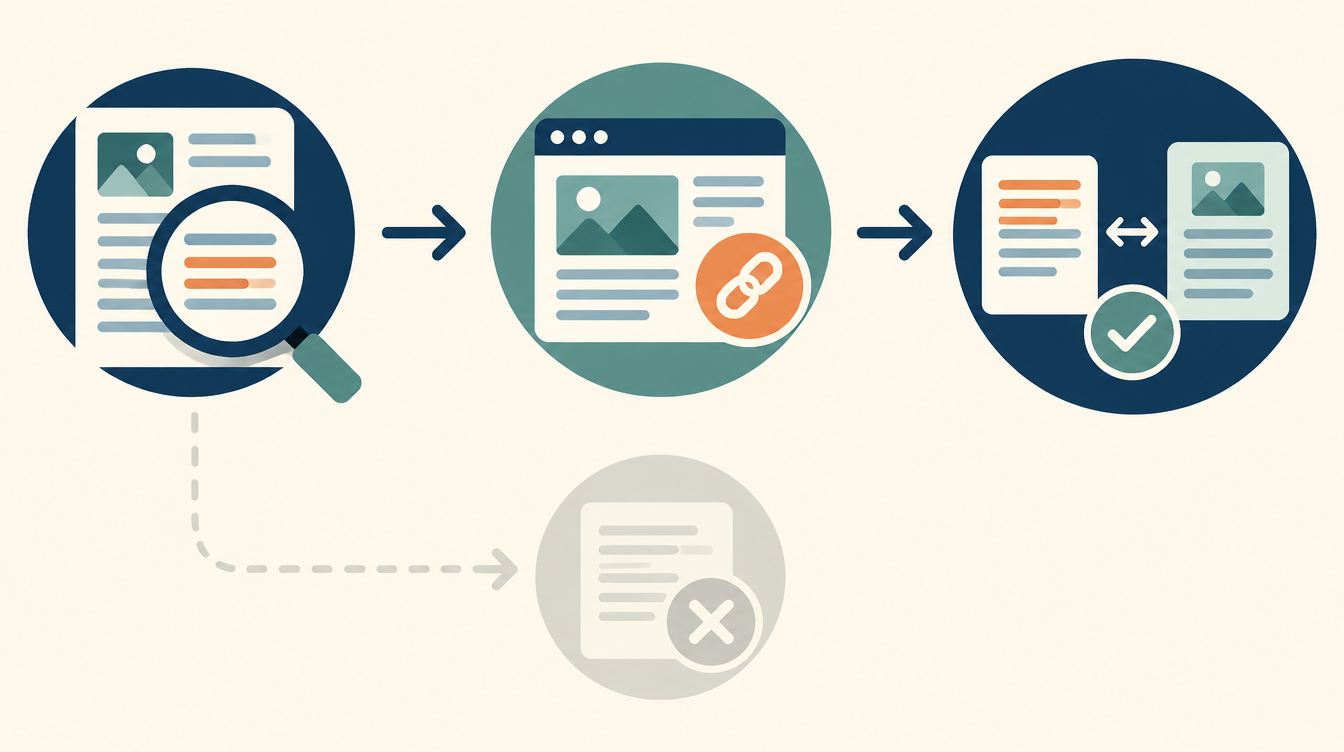
- Trace names, dates, numbers, and quotes. Open the original source; do not stop at the AI’s citation.
- Compare the claim with the source. A real webpage does not prove the specific sentence is accurate.
- Match review to risk. A casual brainstorming draft and a legal filing, medical communication, or financial decision need different levels of human verification.
The practical takeaway: use AI to get to a better first draft, not to outsource responsibility for facts. The more authoritative an answer sounds, the more important its source trail becomes.
From the field
I think people should use AI within the bounds of their own expertise. Every output needs human review, and the reviewer should be able to recognize when a claim may be hallucinated. When that happens, correct the output, give feedback, and improve the prompt, sources, or guardrails so the same error is less likely next time. One correction is not a guarantee that the model has learned permanently.
Sources
- IBM: What are AI hallucinations?
- Damien Charlotin: AI Hallucination Cases Database, checked October 17, 2026