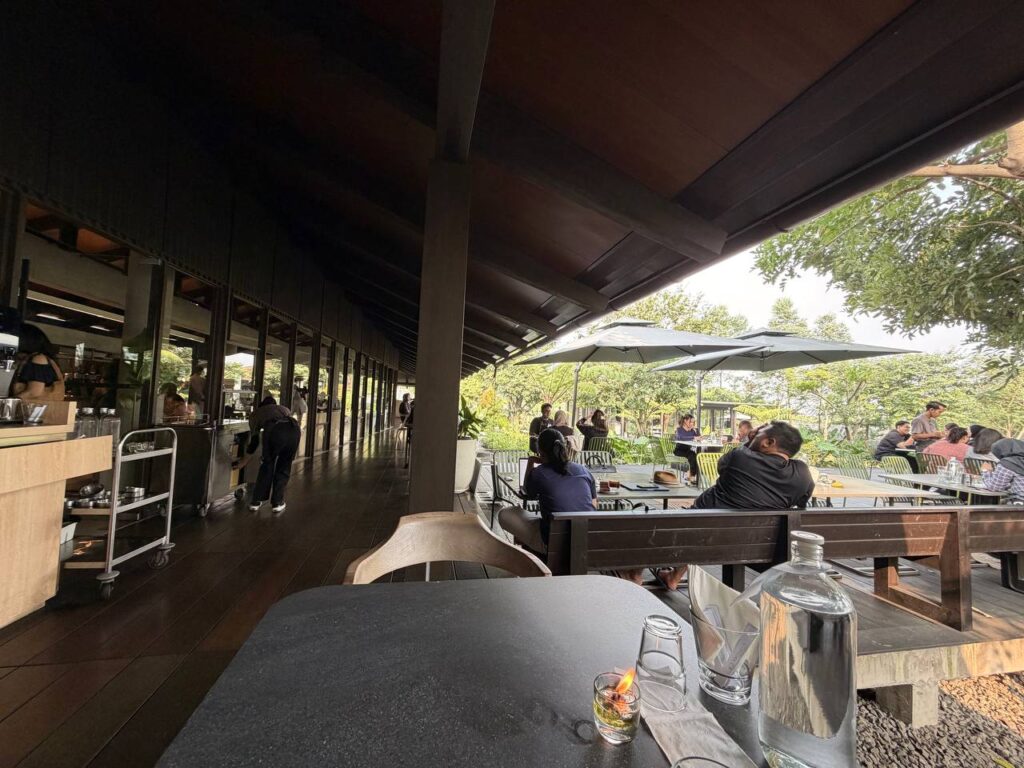
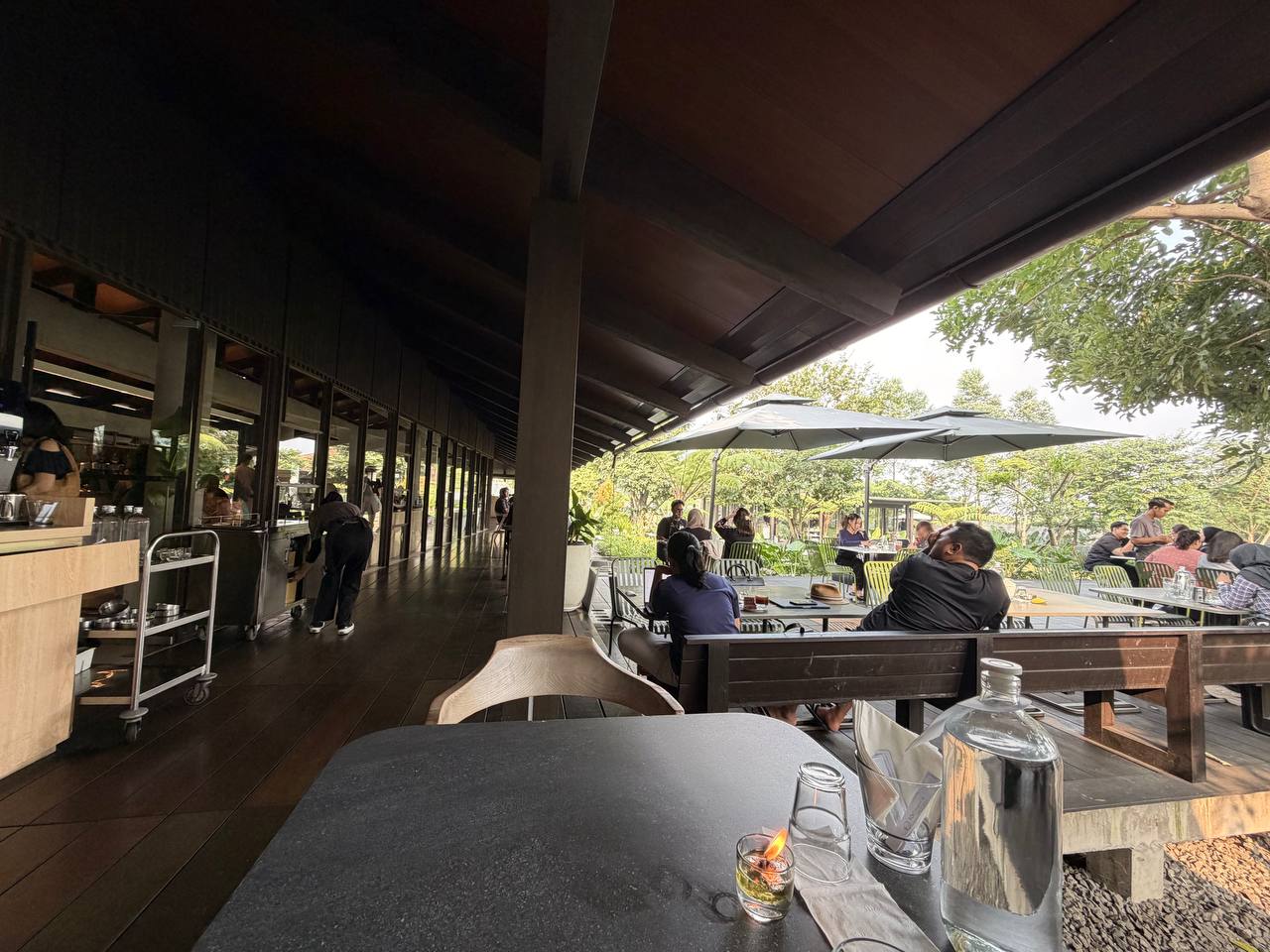
The café was full at 2pm on a weekday. Every table occupied, a steady stream of people at the counter, staff in gray uniforms moving efficiently. This is Wheels Coffee Roasters in Dago, Bandung — and it’s a useful window into why this city has more cafés per square kilometer than almost anywhere else in Indonesia.
Why Bandung Has More Cafés Than You Expect
Bandung’s café culture is not an accident. It has roots that go back centuries — and a modern engine that explains why you can find three or four quality spots on a single street in the Dago area alone.
The colonial foundation. The Dutch called Bandung Bandoeng and nicknamed it Paris van Java — Paris of Java. This wasn’t just flattery. The city sits at 768 meters above sea level in a volcanic basin, with a climate so mild and pleasant compared to the coastal lowlands that the Dutch colonial government used it as a resort and administrative center. By the early 20th century, Bandung had European-style cafés, hotels, and restaurants lining its streets — the Preanger Hotel, the Savoy Homann, establishments like Maison Bogerijen that catered to Dutch officials and their European tastes. The city was built to be a place where people sit, eat, and linger. That infrastructure never went away.
The coffee history. West Java’s Preanger highlands — the region Bandung sits in — were one of the original sources of what the world called “Java coffee.” The Dutch East India Company (VOC) introduced coffee cultivation to Java in the late 17th century, and the Preanger region became a major production zone. The Dutch “gathered coffee from all around Indonesia and called it Java Preanger,” as one local coffee historian put it. The relationship between this region and coffee is not new. What’s new is the direction: instead of exporting beans cheaply as a commodity, Bandung is now roasting, brewing, and selling them at IDR 40,000 a cup to domestic tourists.
The university effect. Bandung is home to some of Indonesia’s most prestigious universities — ITB (Institut Teknologi Bandung), Unpad, Telkom University, and dozens of others. The city has an estimated 200,000+ university students at any given time. Academic research on Indonesian café culture specifically identifies Bandung as a case study: cafés here function as informal learning spaces, with students spending hours working, studying, and meeting in them. That student population creates a permanent, price-sensitive, high-frequency café customer base that subsidizes quality and competition.
The creative capital reputation. Bandung is widely regarded as Indonesia’s creative capital — the city where fashion, music, design, and food trends originate before spreading nationally. This reputation attracts young entrepreneurs, designers, and food operators who see cafés as both business and expression. The result is that opening a café in Bandung isn’t just a business decision — it’s a cultural act, which means operators compete on concept and aesthetic as much as on menu.
The Jakarta weekend market. Jakarta is 150 kilometers away and home to 35 million people in its metro area. On weekends, those people come to Bandung — historically for the cooler air and textiles, now increasingly for the food and café scene. That guaranteed weekend traffic means even a niche café concept can be economically viable here in a way it might not be in a smaller city without Jakarta’s overflow.
The Fusion Food Phenomenon
One of the more striking things about eating in Bandung is how casually the food mixes culinary traditions. Pasta, burgers, and steaks sit alongside sop konro, mih kocok, and nasi goreng — not in separate restaurants, but often on the same menu, sometimes in the same dish.
This is not confusion. It’s the natural output of a city with a large student population, a creative culture, and decades of European influence overlaid on Sundanese and broader Indonesian food traditions. Bandung restaurants have been experimenting with Western-Indonesian fusion since at least the 1980s, and the current generation has taken it further.
The most interesting local innovation is the warteg-style Western food concept — places like Big Papa Pasta & Steak, which went viral in 2024, let customers point at their choice of steak, pasta, or burger from a display counter, exactly the way a traditional warteg (Indonesian working-class food stall) presents its daily dishes. It’s Western food served through an Indonesian cultural framework: familiar, affordable, unpretentious, and utterly specific to this city.
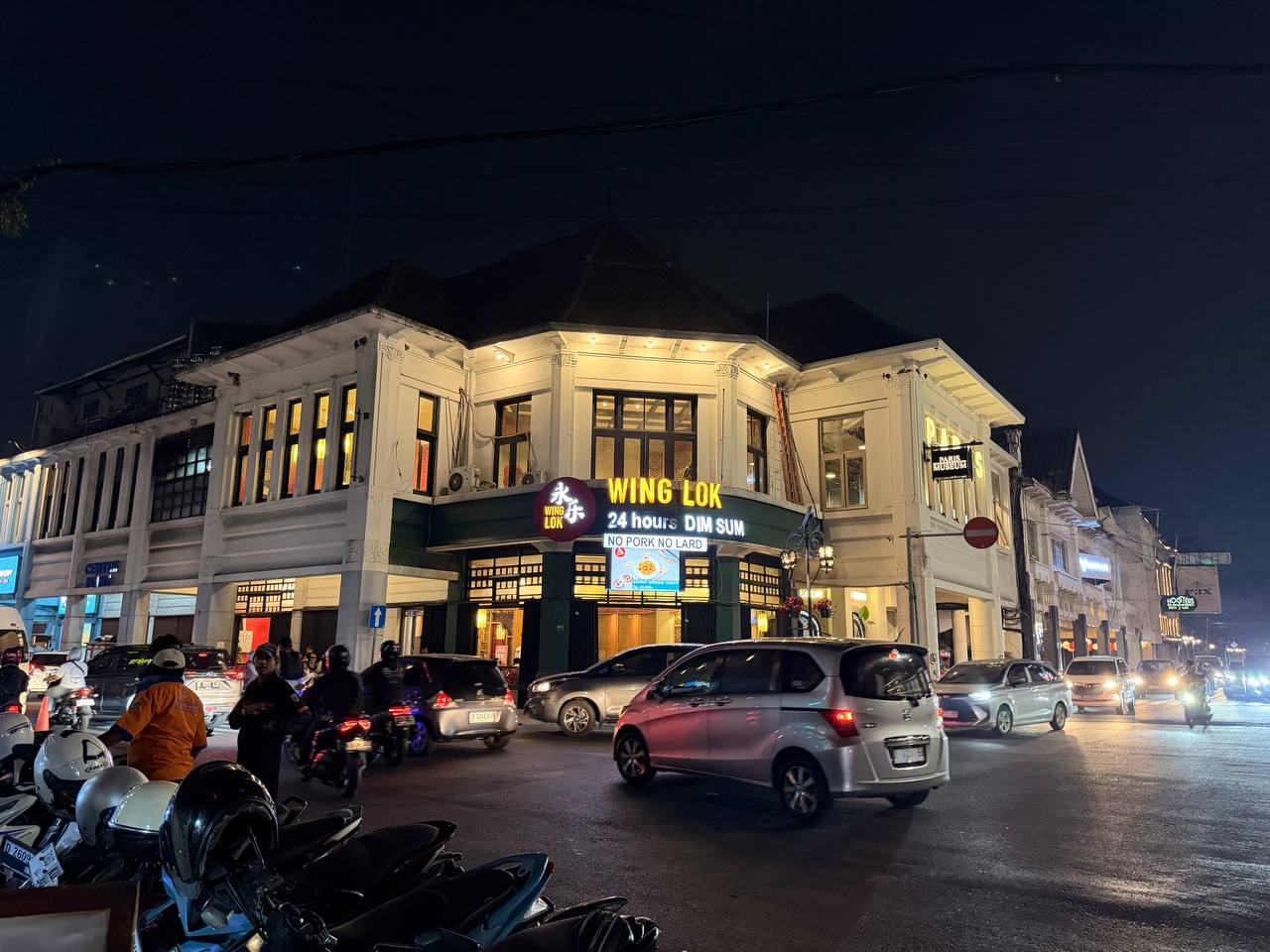
On Braga specifically, you see this layering in real time. A 24-hour dim sum restaurant in a Dutch colonial corner building. A Dutch-style stroopwafel bakery next to a Makassar sop konro stall. A heritage coffee house with stained glass windows and a menu that lists both kopi tubruk and flat whites. None of it feels forced — it’s what happens when a city has been absorbing and remixing outside influences for two hundred years.
Wheels Coffee: The One Worth the Trip
Within the Dago café scene, Wheels Coffee Roasters stands apart. Most cafés in the area sell the same proposition: mountain view, Instagram-worthy décor, average coffee. Wheels takes its sourcing seriously — they carry Indonesian single-origins alongside selections from other producing countries, which is unusual for a Bandung café and explains the crowd.
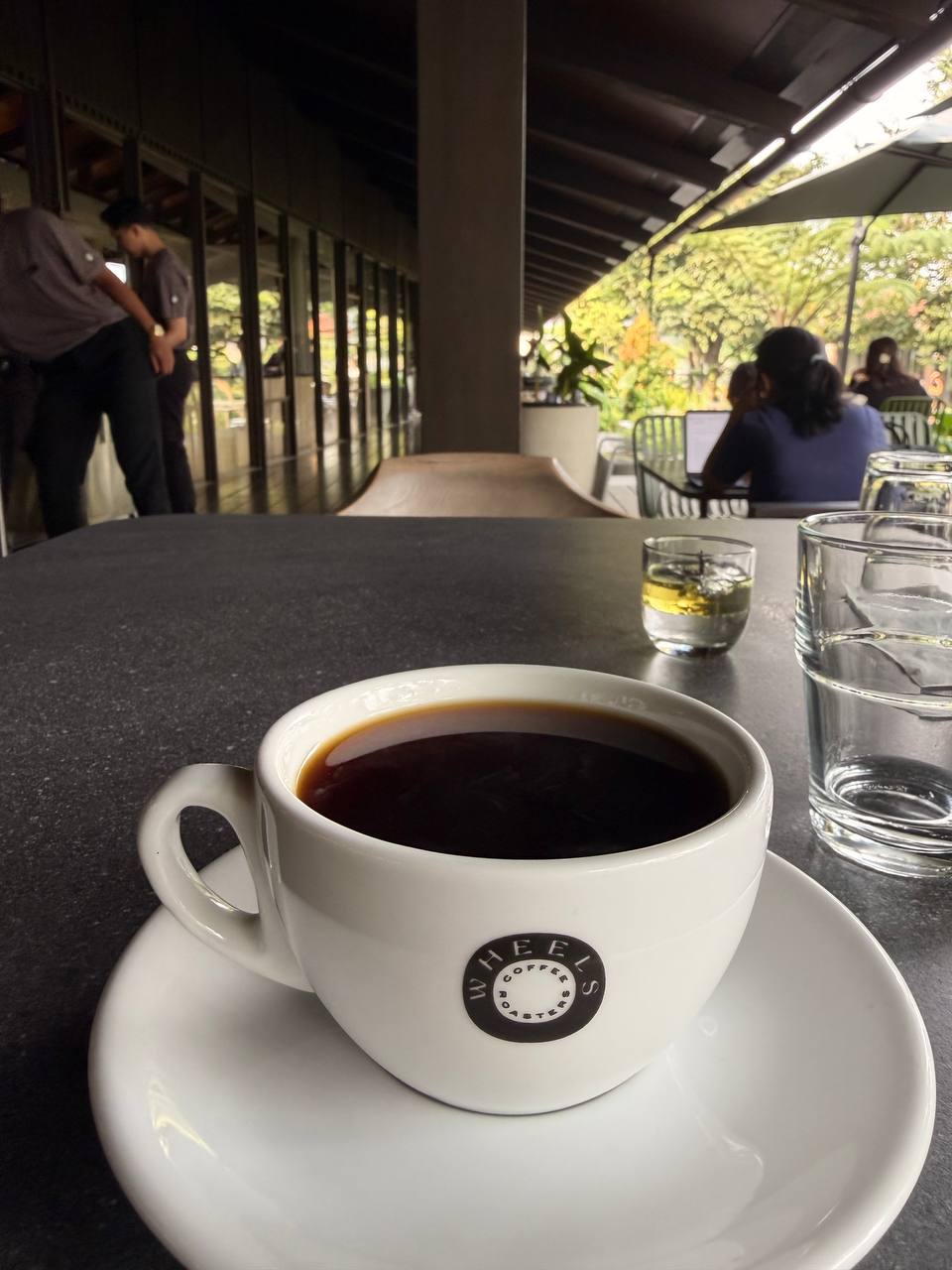
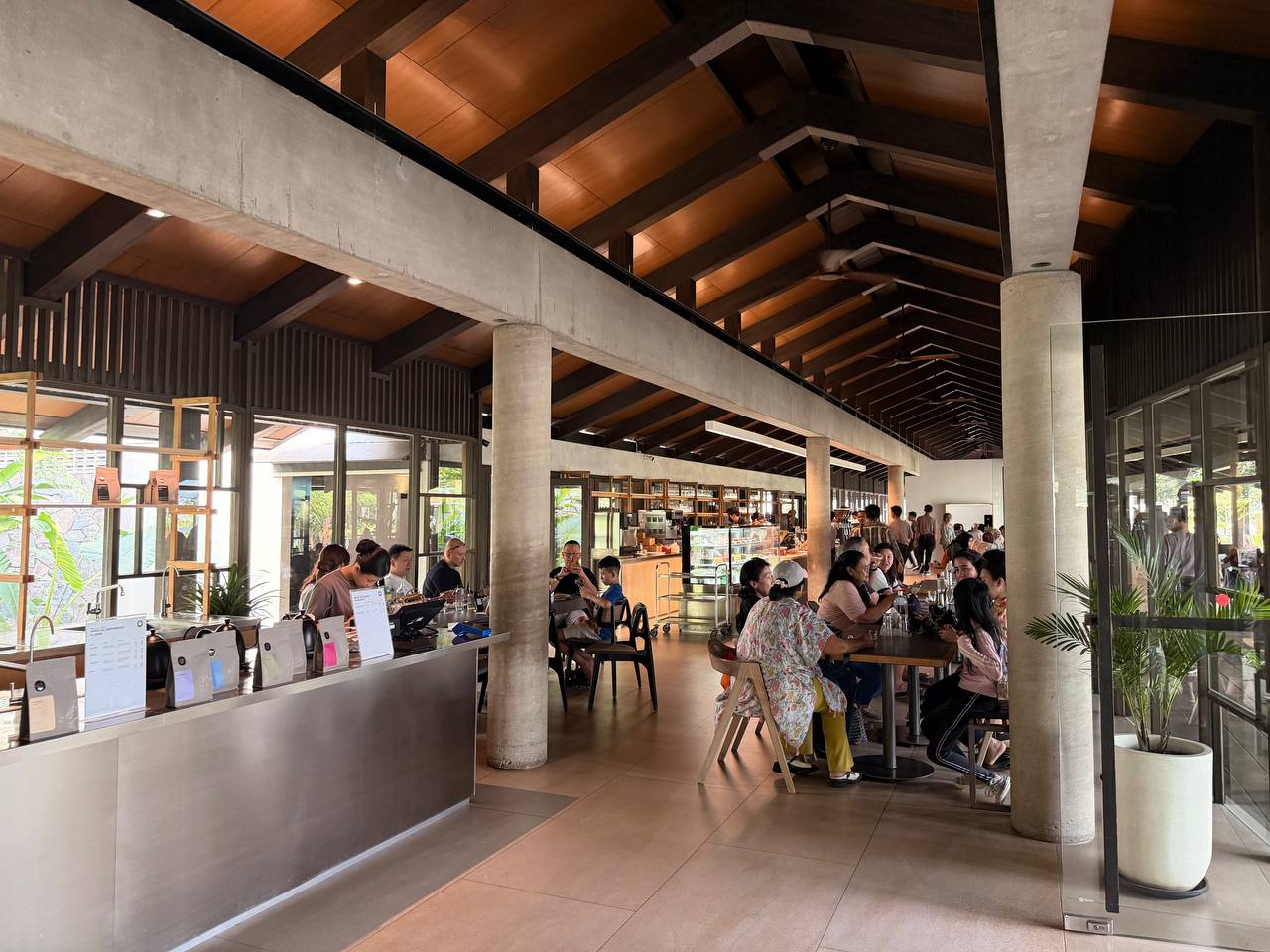
At IDR 40,000 per cup (about $2.50), it’s not cheap by Indonesian standards. The locals don’t seem to care. When I was there on a Thursday afternoon, every table was taken — families, students with laptops, groups of friends who clearly come regularly. The space is an open-sided pavilion with a wooden ceiling, concrete columns, and garden seating that spills outside. It actually works as a place to sit and stay, not just a backdrop for a photo.
The coffee I tried was honest and well-extracted. Not revelatory, but clearly made by people who understand what they’re doing — which puts it several steps ahead of the scenic-view cafés up the road.
The Dago Café Scene: An Honest Assessment
If you’re coming from a city with a serious coffee culture — Jakarta, Singapore, Melbourne — Dago’s broader café scene will feel pleasant but thin. The mountain views are real and beautiful. The coffee at most places is average. The vibe is relaxed and the prices are low.
The honest recommendation: go to Wheels, skip the queue at the Instagram cafés, and leave time for Tebing Keraton instead.
One practical warning you won’t find in most guides: the road from central Bandung to Dago and Lembang is a serious problem on weekends. My Grab driver told me it’s near standstill on Saturdays and Sundays — Jakarta tourists and day-trippers from surrounding cities converging on the same narrow highland road. The same trip that takes 25 minutes at 5:30am took me over an hour at 2pm on a Thursday. On a weekend, budget significantly more time or consider taking a motorbike.
Braga at Night: Better Than Expected
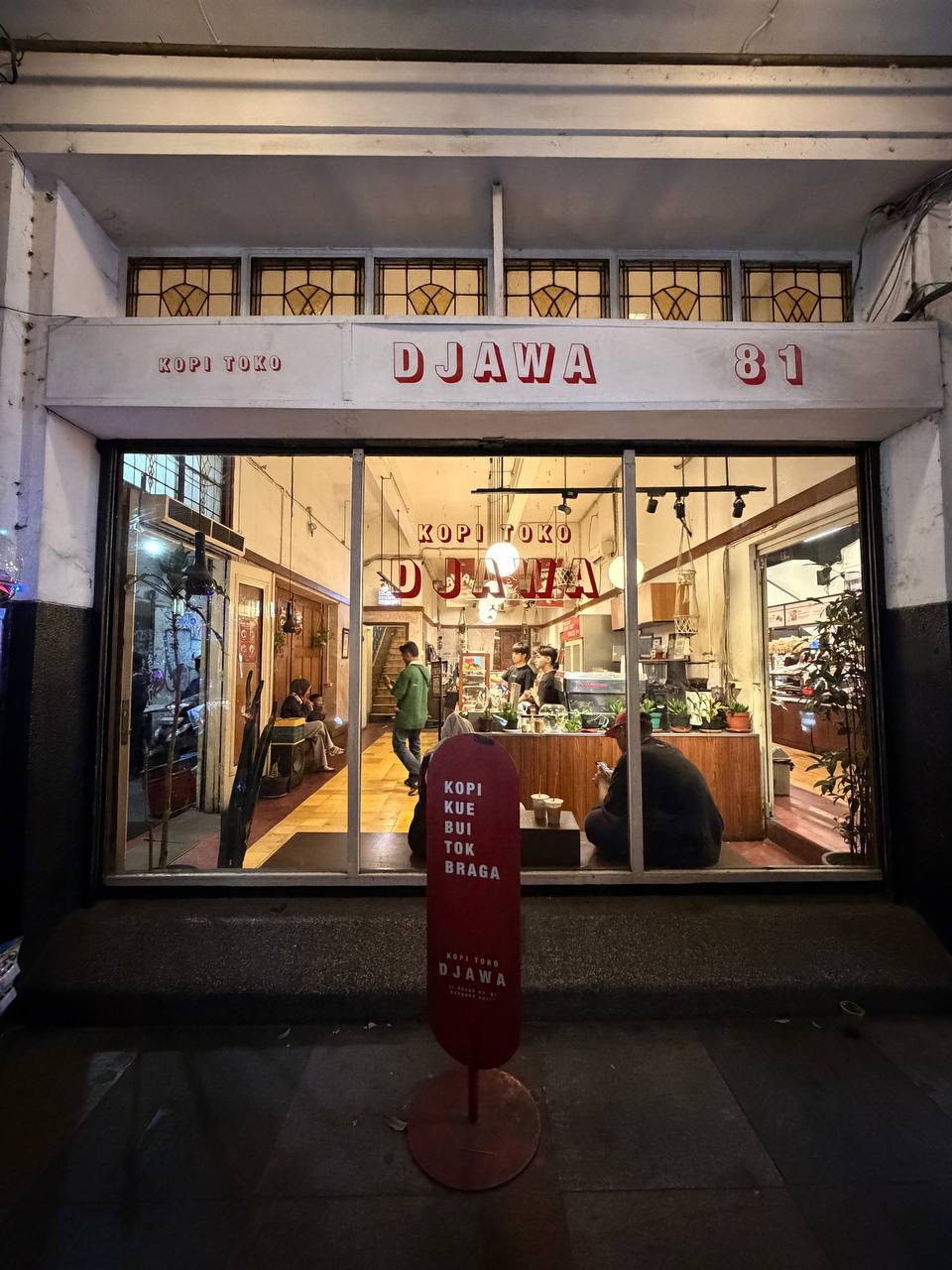
Jalan Braga is Bandung’s most famous street — a strip of Dutch colonial-era buildings that has reinvented itself as a nightlife, food, and culture destination. On a Thursday night it was buzzing. On weekends the main street closes to traffic entirely, and locals say it becomes almost unnavigable. I cannot imagine what it looks like then.
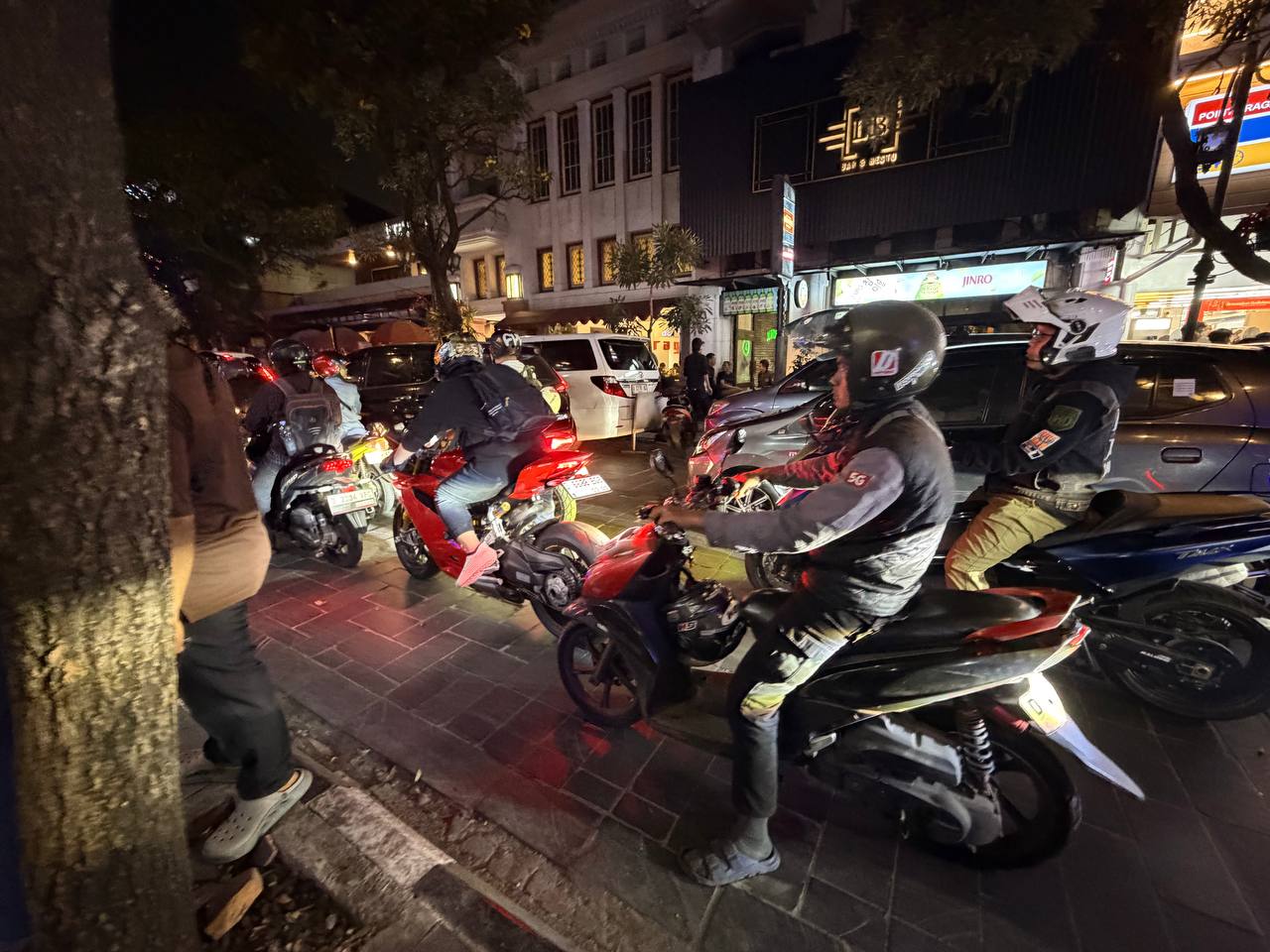
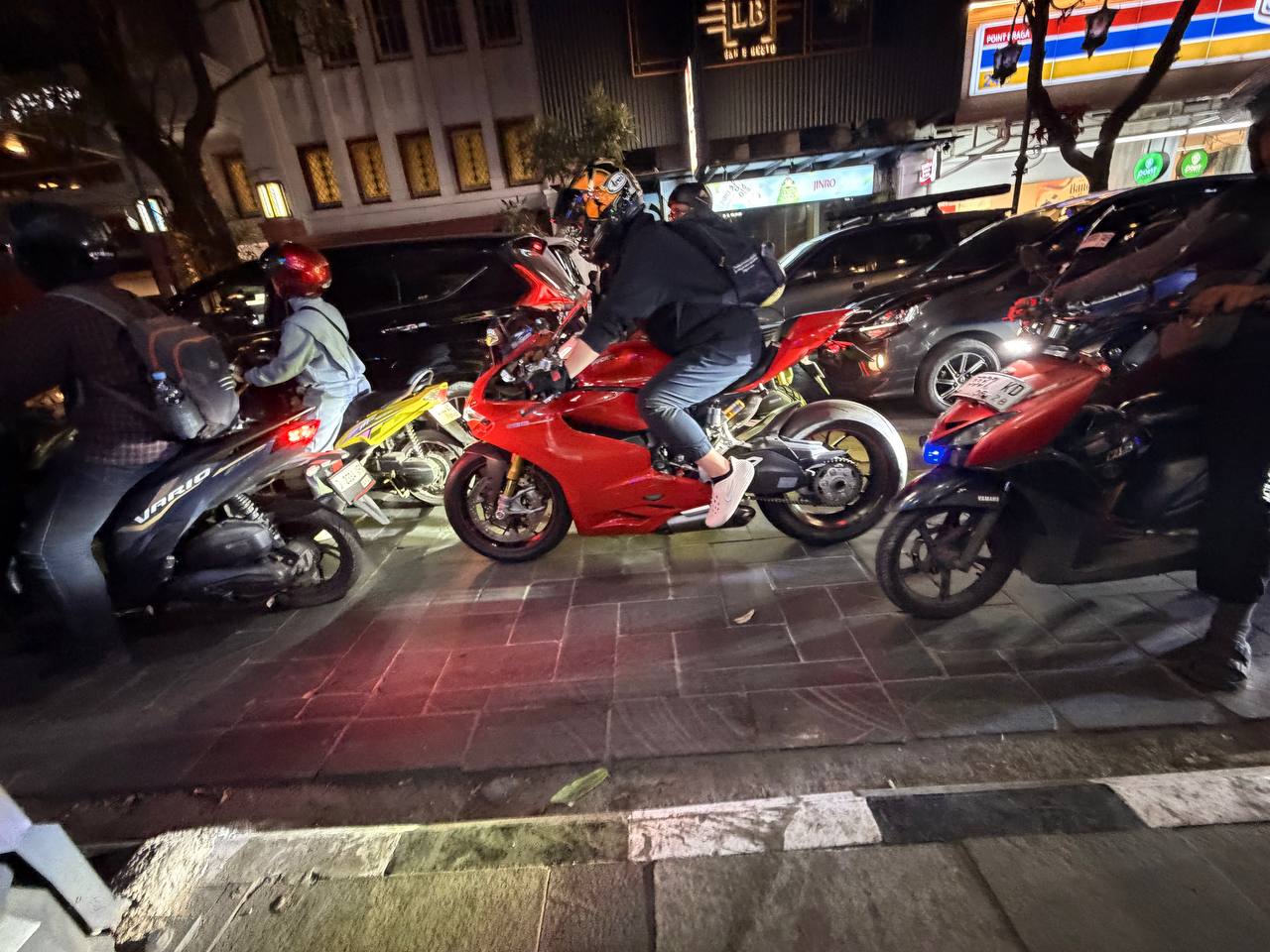
The dominant mode of transport and self-expression on Braga at night is the motorbike. Young Indonesians ride in on everything from daily commuters to Ducati sportbikes to Harley-style cruisers. They line the street in groups, engines off, helmets on, watching the crowd and being watched. It’s a scene — organized, good-natured, and entirely self-generated.
The other thing that struck me: the street photographers. A dozen or more work the strip, offering photo and video services to content creators at rates starting from IDR 5,000 — about 30 cents — scaling up based on the photographer’s reputation and follower count. The more popular ones have actual queues. Young people wait their turn for Reels-ready shots against the colonial façades and motorbike clusters. It’s a micro-economy built entirely around Instagram and TikTok, operating live on a Thursday night in West Java.
What to Eat on Braga
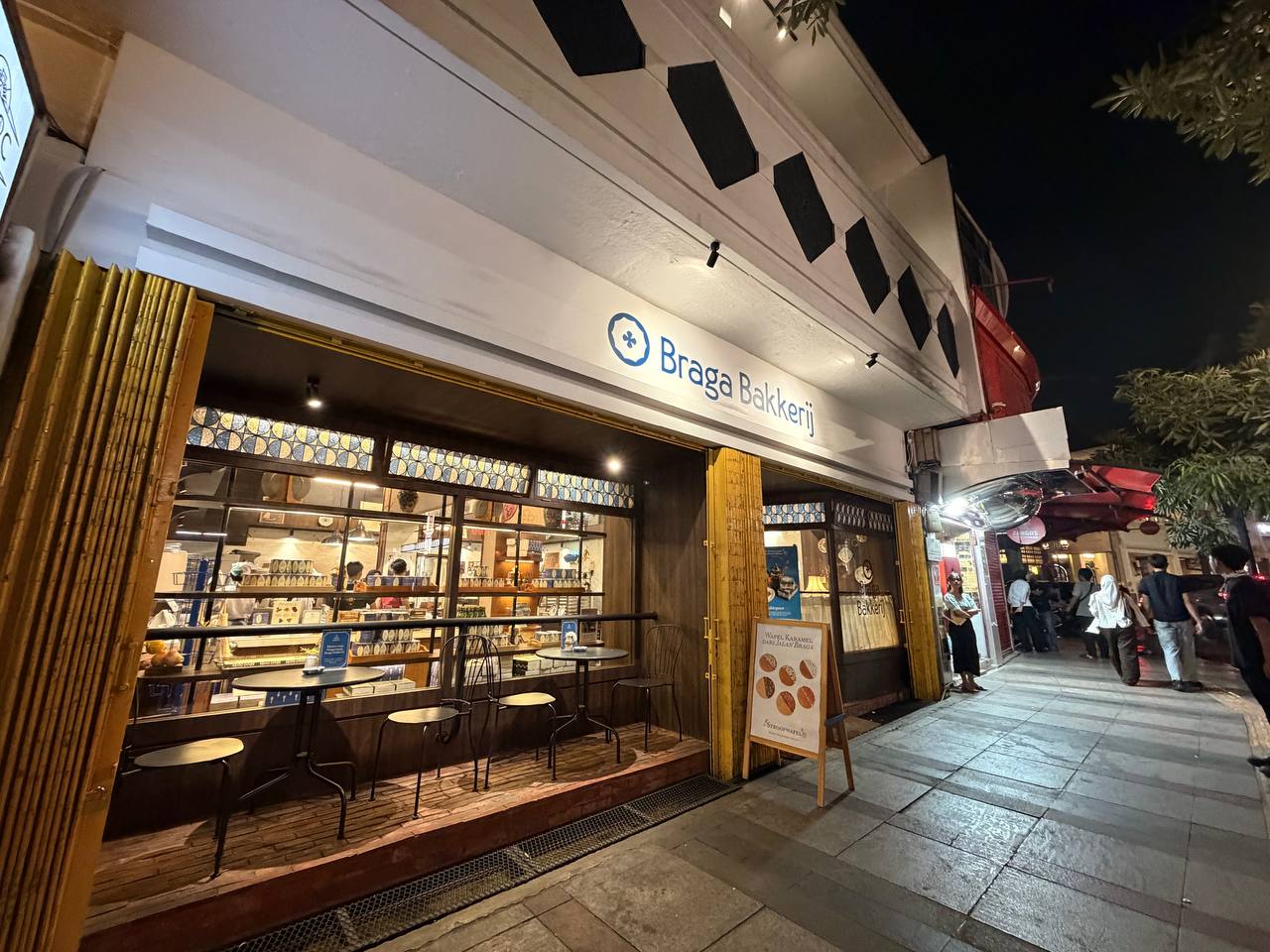
The heritage buildings along Braga house a mix of cafés, restaurants, and bars. Braga Bakkerij does Dutch-influenced baked goods — the wafel karamel is worth trying — in an open-fronted shophouse with outdoor tables. Kopi Toko Djawa at No. 81 is a colonial-era space with stained glass transoms and warm lighting that feels genuinely historical. Wing Lok at the corner does 24-hour halal dim sum, which is exactly the kind of thing that could only exist on a street with this history.
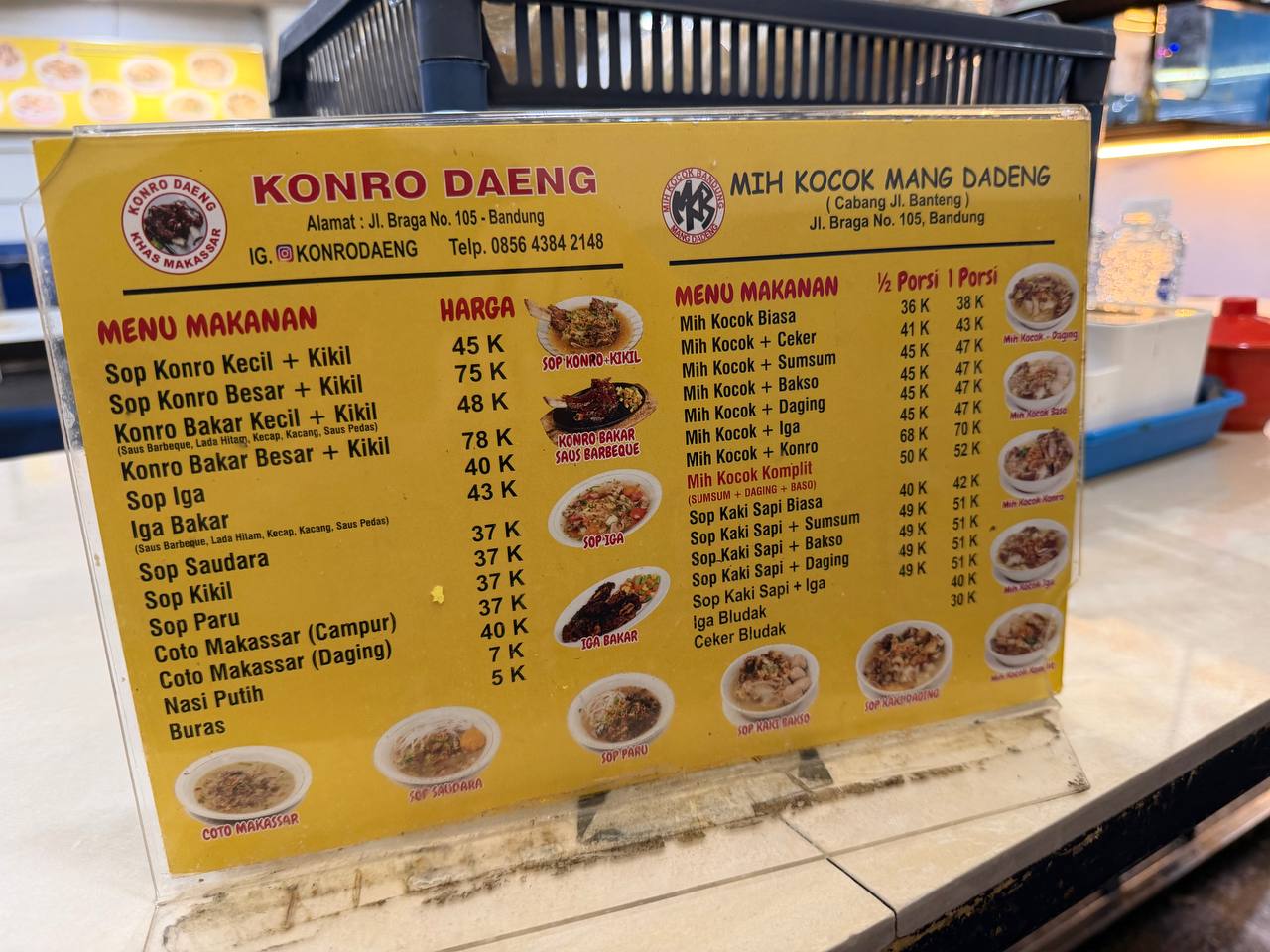
For food: Konro Daeng (Jl. Braga 105) does Makassar-style sop konro and konro bakar — beef ribs in a rich, dark broth that’s completely different from anything else on the street. And there’s the mih kocok.
Mih kocok is the Bandung dish to know. Yellow egg noodles in clear beef broth with tendon, dumplings, kikil (beef skin), celery, and fried shallots. Light, warming, and completely specific to this city — it emerged from the Sundanese Chinese community of West Java and has been a Bandung staple for generations. Order it wherever you see it.
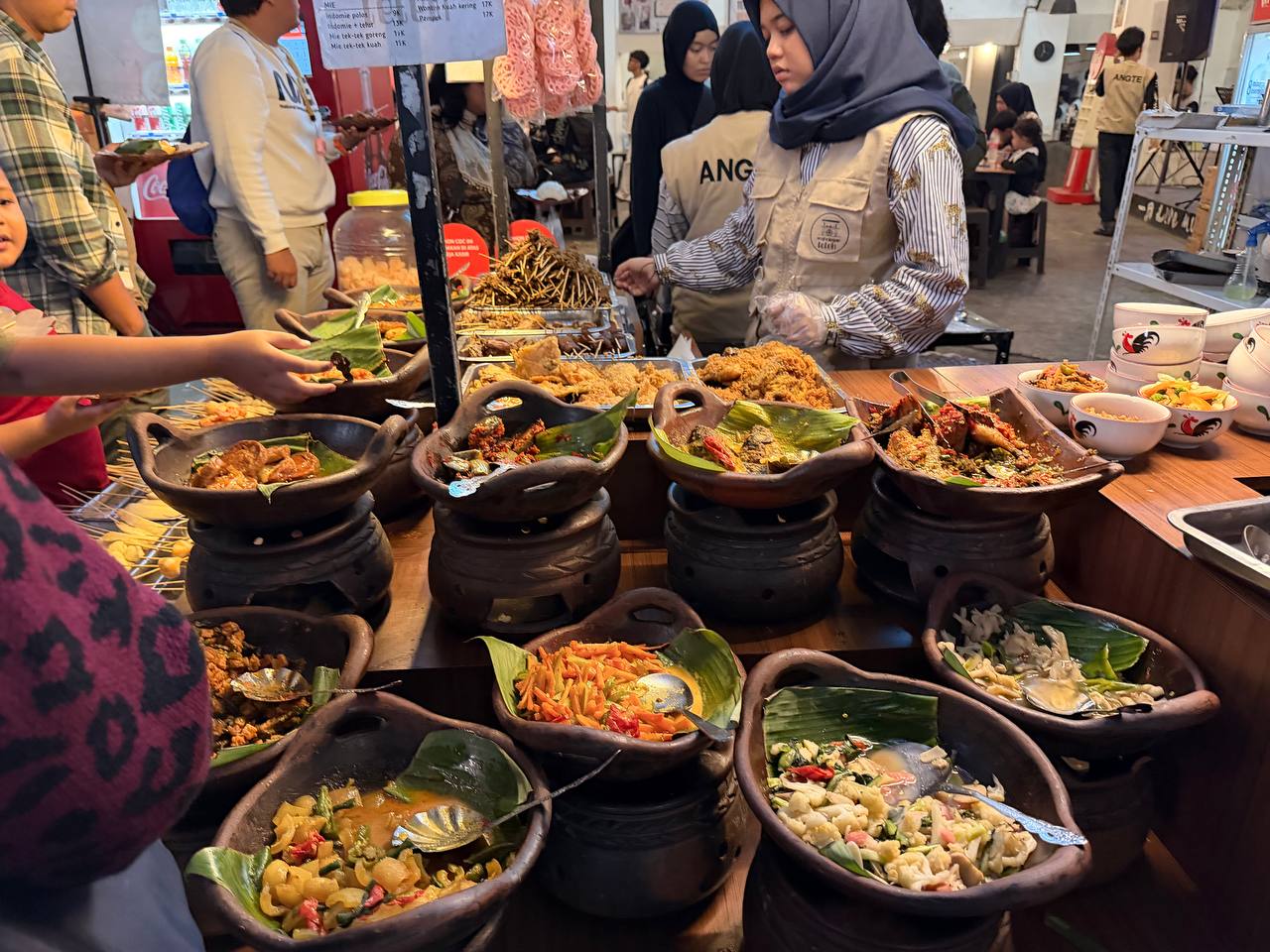
Street food stalls on the side streets do lauk pauk from clay pots, satay, gorengan (fried snacks), and everything in between at prices that make the IDR 40,000 coffee feel extravagant. The crowd at 9pm is local, friendly, and entirely focused on having a good time. I felt safe walking alone throughout — Bandung has a noticeably more relaxed energy than Jakarta, and Braga at night reflects that.
Practical Notes
- Wheels Coffee Roasters: Dago area, North Bandung. Best on weekdays. Coffee IDR 35,000–55,000. Worth it.
- Dago traffic: Near standstill on weekends due to Jakarta tourist overflow. Go early morning or after 7pm.
- Braga: 10 minutes by Grab from most central Bandung hotels. Best from 8pm. Main street closed to traffic weekends — more walkable, significantly more crowded.
- Street photographers on Braga: IDR 5,000 and up, cash only. Popular ones queue. Get there before 9pm for the best selection.
- Mih kocok: The dish to eat. Ask a local for their current favorite stall — it moves around.
- Fusion food: Everywhere. Don’t be surprised to find pasta and nasi goreng on the same menu — that’s Bandung being Bandung.
Wheels Coffee Roasters is in the Dago area of North Bandung, West Java. Jalan Braga is in central Bandung, approximately 10 minutes by Grab from most hotels. Both are best visited on weekdays to avoid Jakarta weekend traffic.
Frequently Asked Questions
Why does Bandung have so many cafés?
Five factors: a Dutch colonial legacy of European café culture, the city’s historic role in Indonesia’s coffee production (Java Preanger), a massive university student population that uses cafés as study/social spaces, a creative capital reputation that attracts food entrepreneurs, and a guaranteed weekend tourist market from Jakarta 150km away.
Is Wheels Coffee Roasters worth visiting in Bandung?
Yes — it’s the standout café in the Dago area. Serious coffee sourcing (Indonesian and international single-origins), a well-designed space, and consistent quality. At IDR 40,000 per cup it’s not cheap by Indonesian standards but the quality justifies it.
What is mih kocok?
Bandung’s signature noodle soup — yellow egg noodles in clear beef broth with tendon, dumplings, kikil (beef skin), celery, and fried shallots. A Sundanese Chinese specialty specific to West Java. Light and distinctive.
Is Braga safe at night?
Yes. Braga at night is busy, well-lit, and has a relaxed, friendly atmosphere. It’s a mainstream local destination — families, young people, tourists — not a rough nightlife strip.
Why is Bandung called Paris van Java?
The Dutch colonial nickname came from the city’s elevated location (cool climate), European-style architecture (Art Deco hotels, wide boulevards), and role as a colonial resort and cultural center. The Preanger Hotel and Savoy Homann are surviving examples of that era.