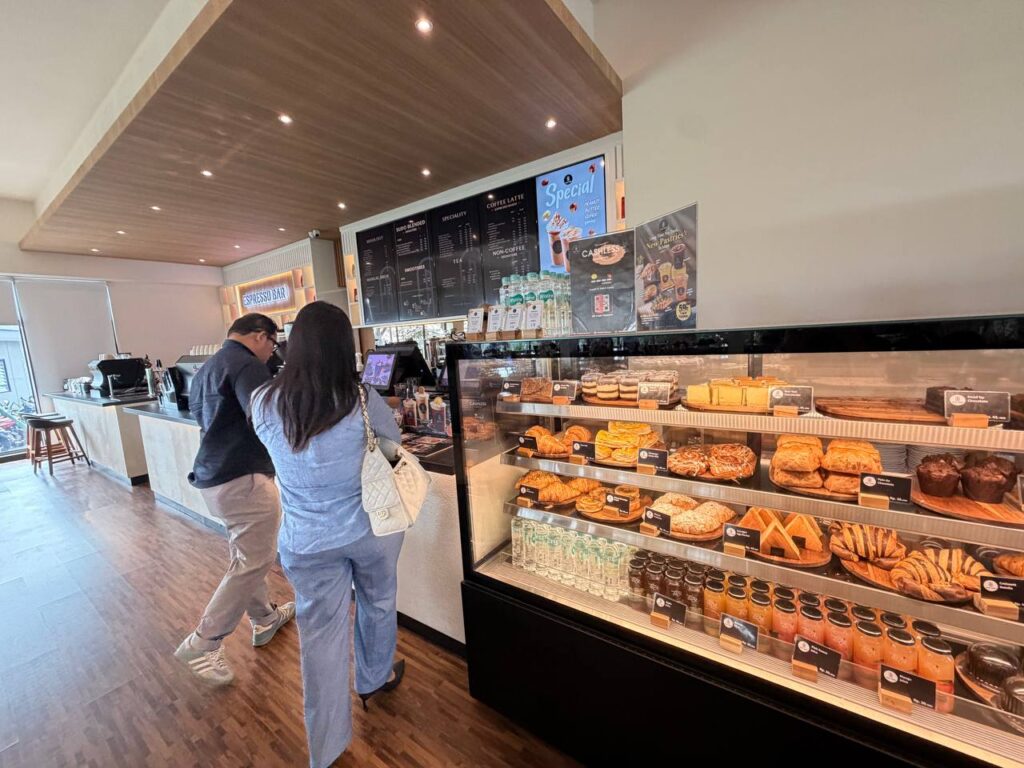
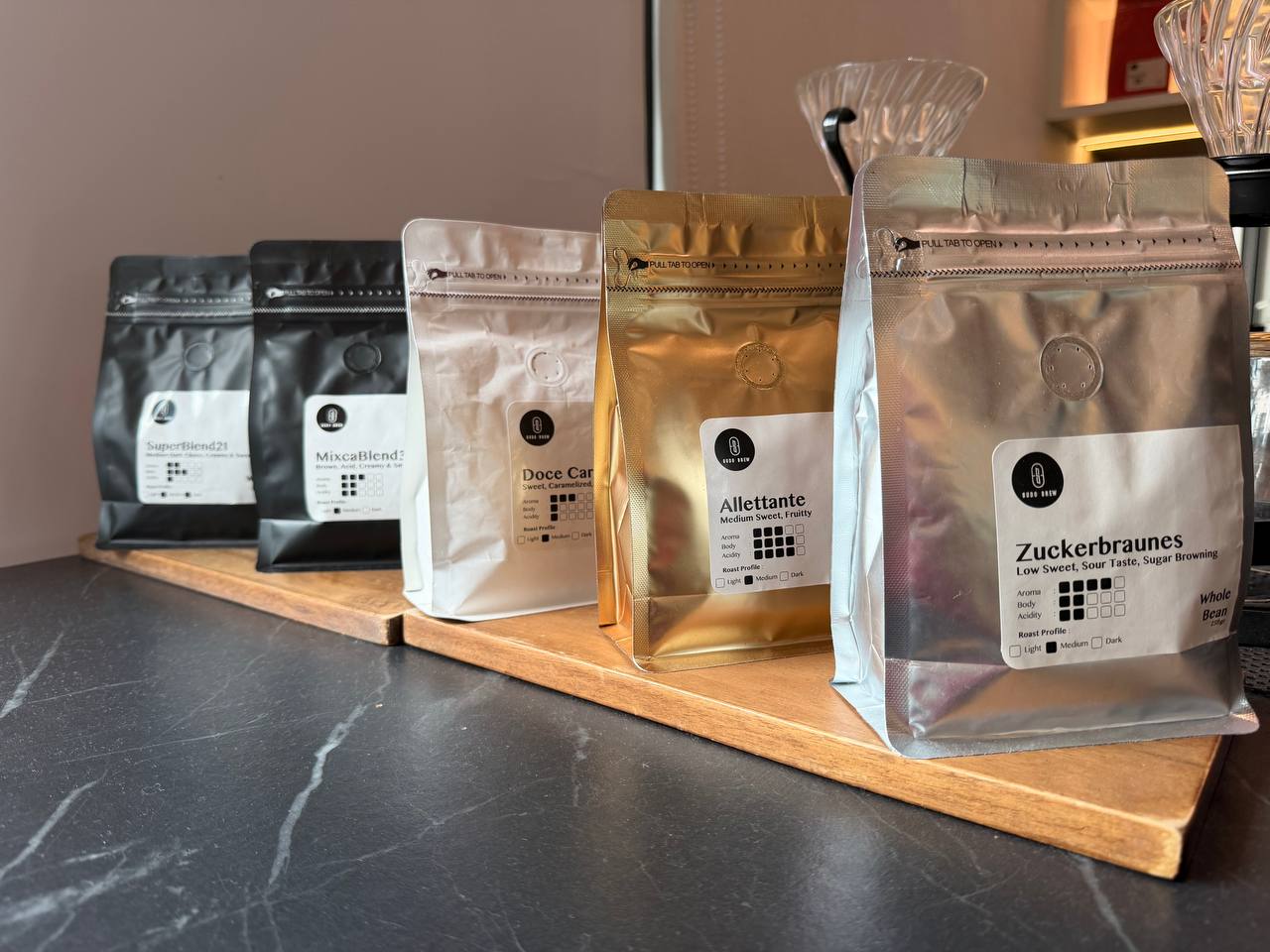
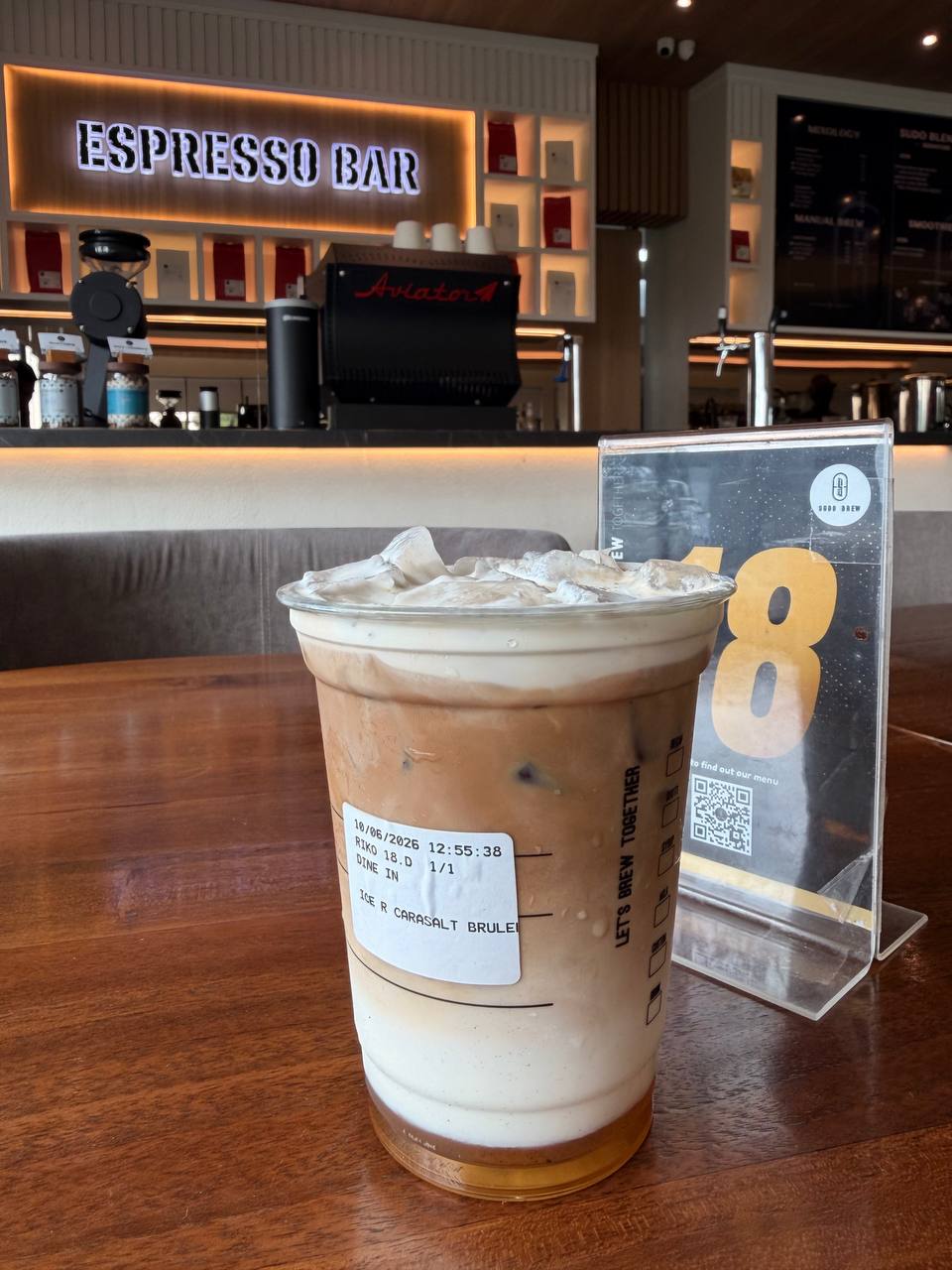
At Sudo Brew in Summarecon Bogor, somewhere between an Iced Carasalt Brûlée and a wall of single-origin beans with names like Zuckerbraunes and Baya Baya, it clicked — Indonesia doesn’t just grow coffee for the world. It has quietly become one of the world’s most interesting places to drink it.
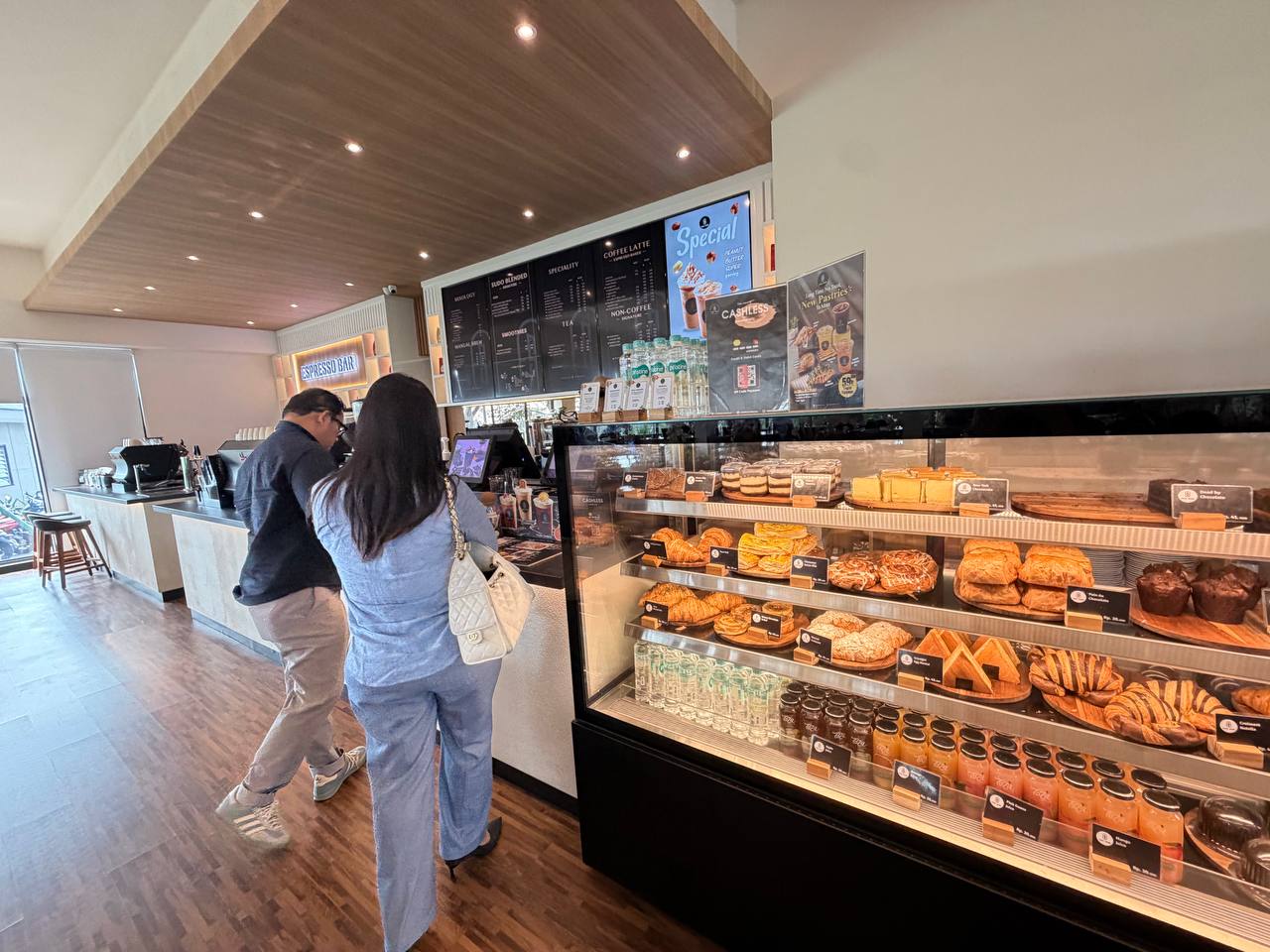
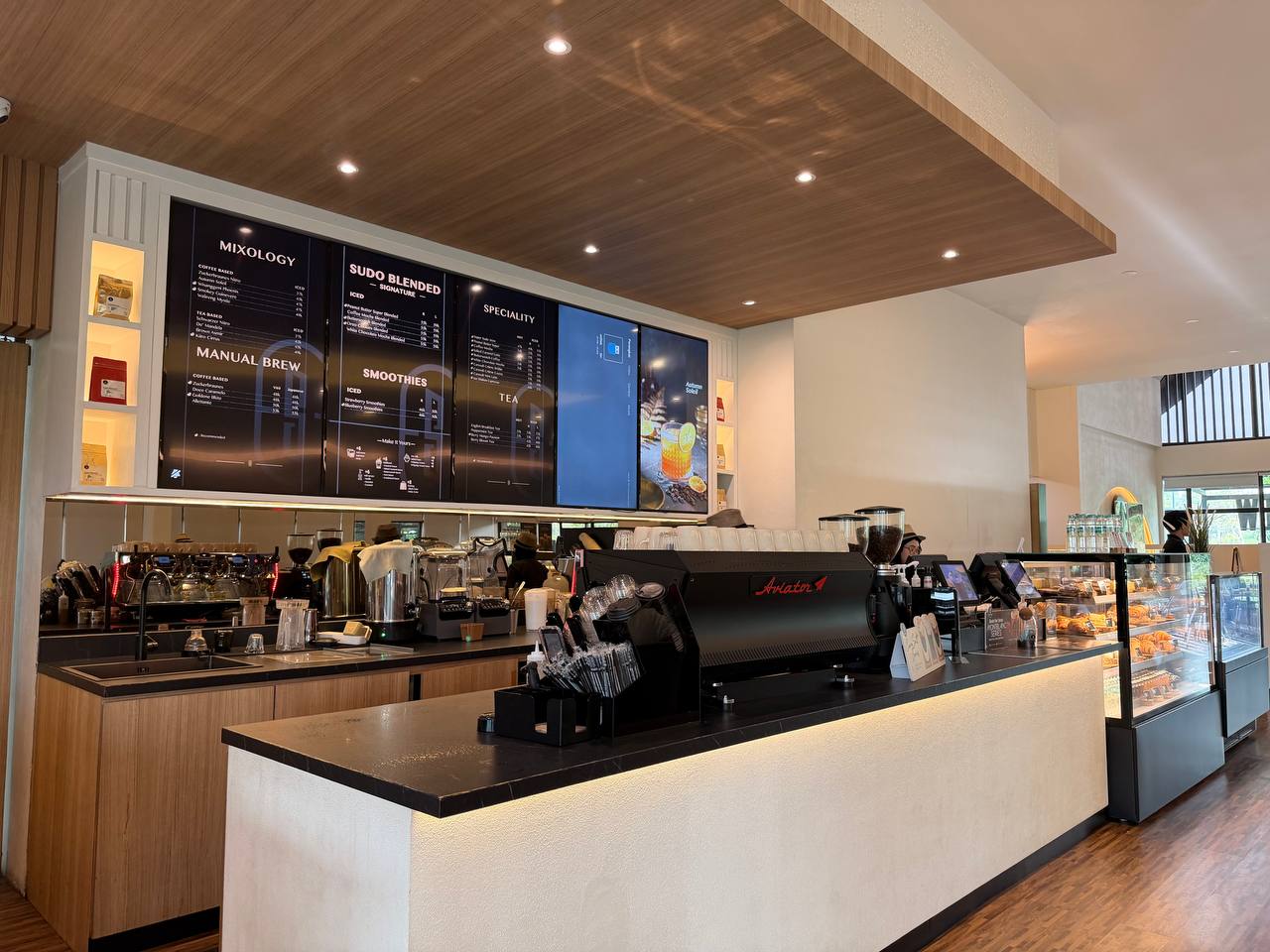
The receipt on my cup said 10/06/2026, 12:55:38. ICE R CARASALT BRULEE. The espresso bar behind me was running a matte-black Aviator machine. The grinder said CINOART. The room was packed at 1pm on a weekday — not with tourists, not with remote workers on laptops, but with local families, couples, groups of friends. Everyone was there for the coffee and the atmosphere, in that order.
This is what Indonesian coffee culture looks like in 2026. And it didn’t get here by accident.
Indonesia: The Country That Grows Coffee for the World, Then Figured Out How to Love It Themselves
Indonesia is the world’s fourth-largest coffee producer. It exports around 5% of global coffee supply, generating over US$1.5 billion in revenue annually. For most of the 20th century, it sent its best beans abroad — to Amsterdam, to Seattle roasters, to specialty buyers who prized Sumatra Mandheling and Sulawesi Toraja — while Indonesians themselves drank the lower-grade robusta that didn’t make the export cut.
The traditional drink was kopi tubruk: coarse ground coffee dumped directly into a glass, scalding water poured over it, heavily sweetened with condensed milk or raw sugar. Not bad. Effective. But not a culture built around origin, terroir, or technique.
That started changing in the early 2000s with the arrival of international chains. Then, more importantly, it changed again around 2018–2019 with something purely Indonesian: the es kopi susu explosion.
The Es Kopi Susu Moment
Es kopi susu — iced coffee with sweet condensed milk — is not new. But a Jakarta specialty shop called Toko Kopi Tuku figured out how to package it as a premium lifestyle product at an accessible price. The format went viral. Suddenly every neighborhood in every Indonesian city had an es kopi susu stall, a kiosk, a pop-up.
It was Indonesia’s equivalent of the Taiwanese bubble tea moment: a local format, reimagined for a young urban market, spreading at speed through social media. And it worked because it met the culture where it already lived. Indonesians already preferred their coffee sweet, cold, and social. Es kopi susu just gave it a premium identity.
That single trend unlocked the country’s broader coffee appetite. Once people started caring about the coffee in their iced drink, they started caring about the beans. About the roast. About where it came from.
Coffee consumption in Indonesia has tripled since before the pandemic. Indonesia is now the world’s fifth-largest coffee consumer, growing at 5% per year — Asia’s fastest-rising market. At that pace, it’s on track to overtake Japan.
Why Indonesian Coffee Is Structurally Different
Here’s what most coffee writing gets wrong about Indonesia: it treats the country as a single origin. It isn’t. It’s an archipelago of 17,000 islands with radically different microclimates, altitudes, soil compositions, and ethnic traditions. The coffee from each region tastes different — not just slightly, but dramatically — because of two things: terroir and processing.
The Regions
Sumatra (Aceh Gayo, Mandheling, Lintong): The most internationally recognized. High altitude, volcanic soil, tropical humidity. Known for a heavy, syrupy body, low acidity, and flavors that range from dark chocolate and cedar to tobacco and earth. The Gayo highlands around Lake Tawar produce some of the most complex arabica on the planet.
Sulawesi (Toraja, Kalosi): Grown in the mountainous interior by smallholder farmers. Bright, clean, with notes of dark fruit, cocoa, and a distinct spiciness. Sulawesi Toraja is a favorite for espresso blends globally.
Java: The island that gave “java” to the English dictionary. Historically the Dutch colonial center of production. Java arabica is estate-grown and washed (not wet-hulled), producing a cleaner cup with notes of molasses, clove, and figs — less earthy than Sumatra, more structured.
Flores: Often overlooked. Higher acidity, tobacco and caramel notes. Flores Bajawa is increasingly sought-after by specialty roasters.
Bali (Kintamani): Grown in a high-altitude crater. Uses natural/honey processing more common in Africa and Central America. Bright, fruity, often citrusy — the coffee that surprises first-time Indonesian visitors who expected earth and chocolate.
The Processing Method That Changes Everything
The single biggest differentiator in Indonesian coffee is a processing technique called giling basah — or wet hulling.
In most coffee-producing countries, after the cherry is depulped (skin removed), the coffee dries in the parchment layer for weeks before hulling. Indonesia does it differently: the parchment is hulled while the bean is still wet, at around 30–50% moisture content. The beans come out bluish-green and go back out to dry in the open air.
This does several things to the flavor profile:
- Reduces acidity dramatically — Indonesian arabica is noticeably less bright than Ethiopian or Colombian arabica
- Increases body — the cup feels heavier, more viscous
- Creates complex, low-frequency flavors — earth, leather, dark spice, cedar, mushroom notes that other origins don’t have
- Shortens drying time — practical in a high-humidity tropical environment where fully drying coffee is logistically difficult
Giling basah is why a Sumatra Mandheling tastes like nothing else on earth. It’s not a defect. It’s an intentional technique developed for this specific climate and geography.
The Third Wave Meets the Archipelago
What’s happening now in Indonesian coffee culture is genuinely interesting: the global specialty coffee movement has landed, but Indonesia isn’t copying it wholesale. It’s remixing it.
You see this clearly at places like Sudo Brew. Their manual brew menu offers V60 and Japanese-drip options for beans with German-language names — Zuckerbraunes (low sweet, sour, sugar browning), Goldene Blüte (golden blossom), Doce Caramelo (sweet, caramelized, honey). Their signature drinks list mixes espresso cocktails with names like Wisanggeni Phoenix and Walireng Mystic — invoking Javanese mythology and local cultural identity.
This is the pattern across Indonesian specialty coffee right now: technical precision borrowed from global third-wave culture, flavor profiles built on Indonesian origin, branding and naming rooted in local identity. Not a copy of Melbourne or Portland. Something distinctly its own.
The affordable domestic chains have accelerated this. Kopi Kenangan, founded on the concept of “third-wave taste at second-wave prices,” had approximately 900 stores nationwide by early 2025. Janji Jiwa, Fore Coffee, and dozens of regional chains have pushed quality up while keeping prices accessible — breaking the assumption that good coffee requires a premium price.
What Makes the Coffee Shop Culture Here Different
A few things you notice immediately if you’ve spent time in coffee cultures elsewhere:
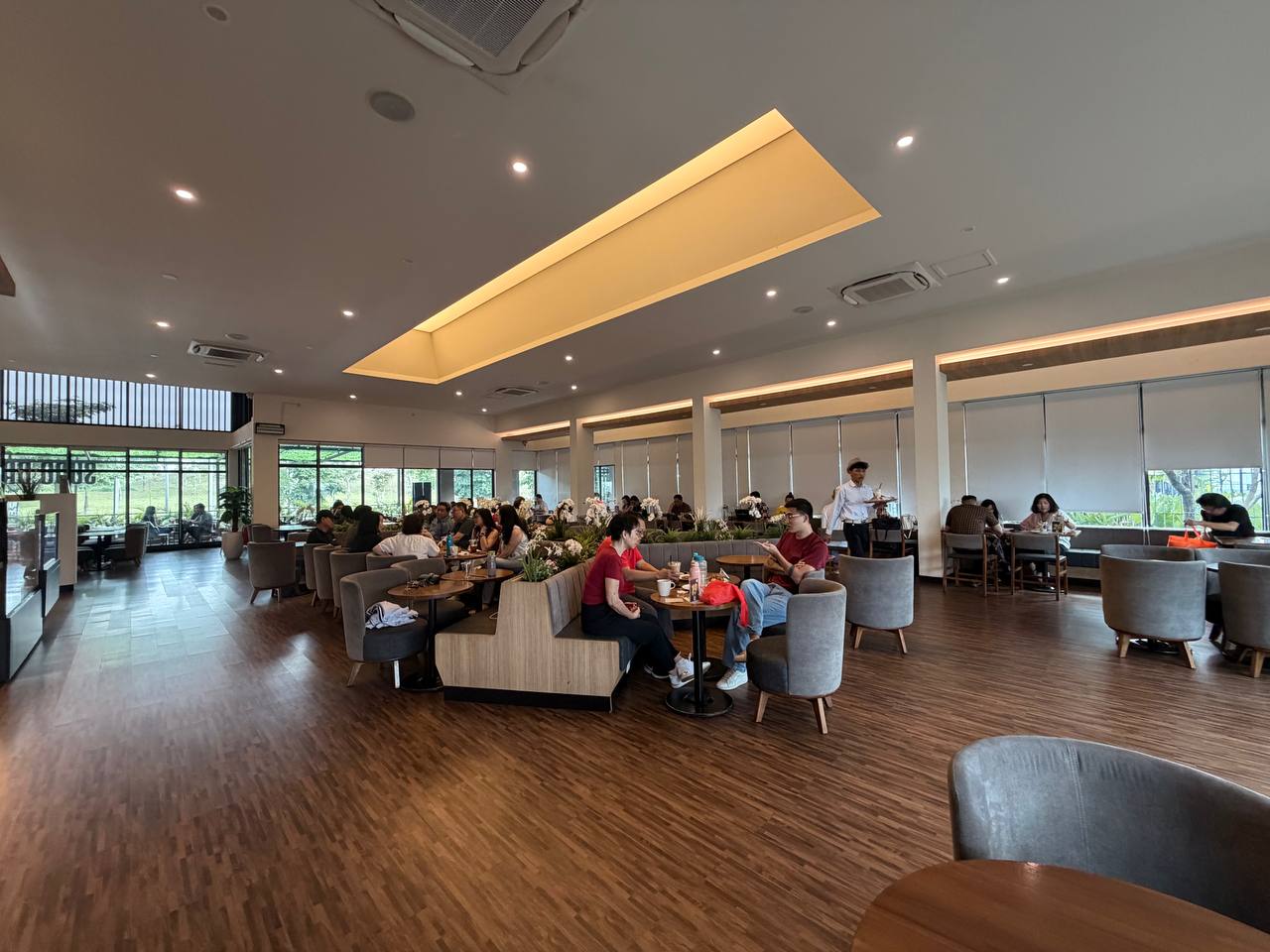
The cafe as social anchor. Indonesian coffee shops aren’t primarily workspaces or solo experiences. They’re social infrastructure. You come with people. You stay for hours. The seating at Sudo Brew — wide lounge chairs, booth-style dividers, communal tables — is designed for groups, not laptops.
Sweet is a feature, not a compromise. Kopi susu, caramel, salted cream, condensed milk — sweetness is built into Indonesian coffee preference at a deep cultural level. The specialty wave hasn’t displaced this; it’s layered on top of it. Sudo Brew’s Carasalt Crème Brûlée is a specialty drink that still delivers sweetness. That’s not dumbing it down. That’s reading the audience.
The price gap is closing. A specialty drink at Sudo Brew runs roughly $2.80–$3.60 USD. That’s accessible to the Indonesian middle class in a way that premium mall cafés never were. The market is expanding because the price is right.
Single-origin is now a selling point locally. Baya Baya (medium sweet, floral), Allettante (medium sweet, fruity), Zuckerbraunes — these aren’t sold to export buyers. They’re sold at the counter, in glass jars, to Indonesian customers who want to know the difference.
The Larger Story
Indonesia was, for most of its coffee history, an exporter. The good beans left the country. The locals drank what remained.
What’s shifted in the last decade is a repatriation of quality — partly economic (rising incomes, growing middle class), partly cultural (the es kopi susu generation grew up wanting more from coffee), and partly structural (local roasters and chains making specialty accessible without the premium markup).
The result is a country that is simultaneously one of the world’s great origin producers and one of its fastest-growing consumer markets — drinking its own coffee, learning its own terroir, developing its own aesthetic that is neither a Western import nor a rejection of global trends.
Sitting in Sudo Brew at 1pm watching the room fill up — families with kids, young couples, a group of friends ordering from a menu that includes V60 single-origins, mixology cocktails, and salted caramel blended drinks — it’s easy to see what that looks like on the ground.
Indonesia runs on coffee. It always did. Now it knows why.
Sudo Brew is located at Summarecon Bogor, West Java, Indonesia. Opened July 2024. Views of Gunung Salak. Fully packed on a Tuesday afternoon. The Iced Carasalt Brûlée was excellent.