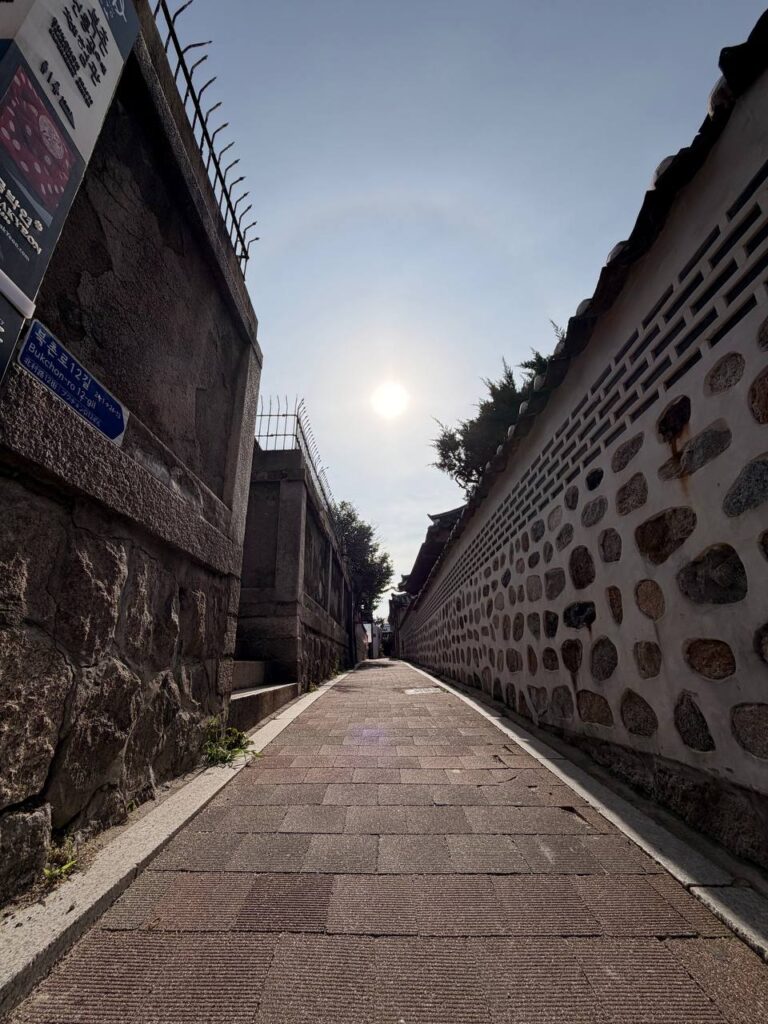
Prices, hours, and availability may have changed since our visit. Verify before you go.
Bukchon-ro 12-gil, Gye-dong, Jongno-gu, Seoul
📍 Bukchon Hanok Village — Bukchon-ro 12-gil, Gye-dong, Jongno-gu
🚇 Anguk Station (Line 3), Exit 2
⏰ Best: Before 9am — quieter, better light, fewer crowds
🎽 Artist Hanbok — ~$4/person via Agoda · Free palace entry with hanbok
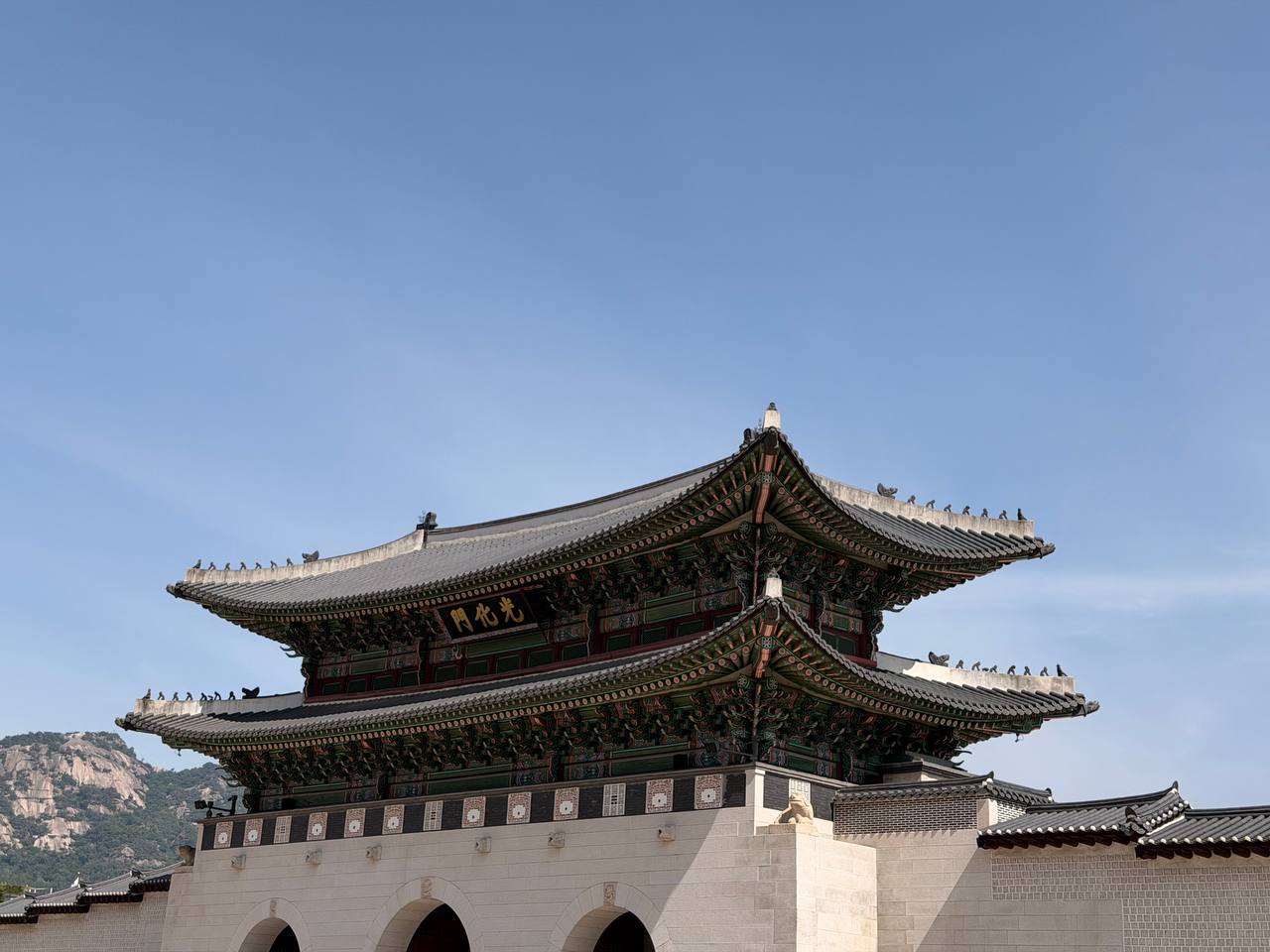
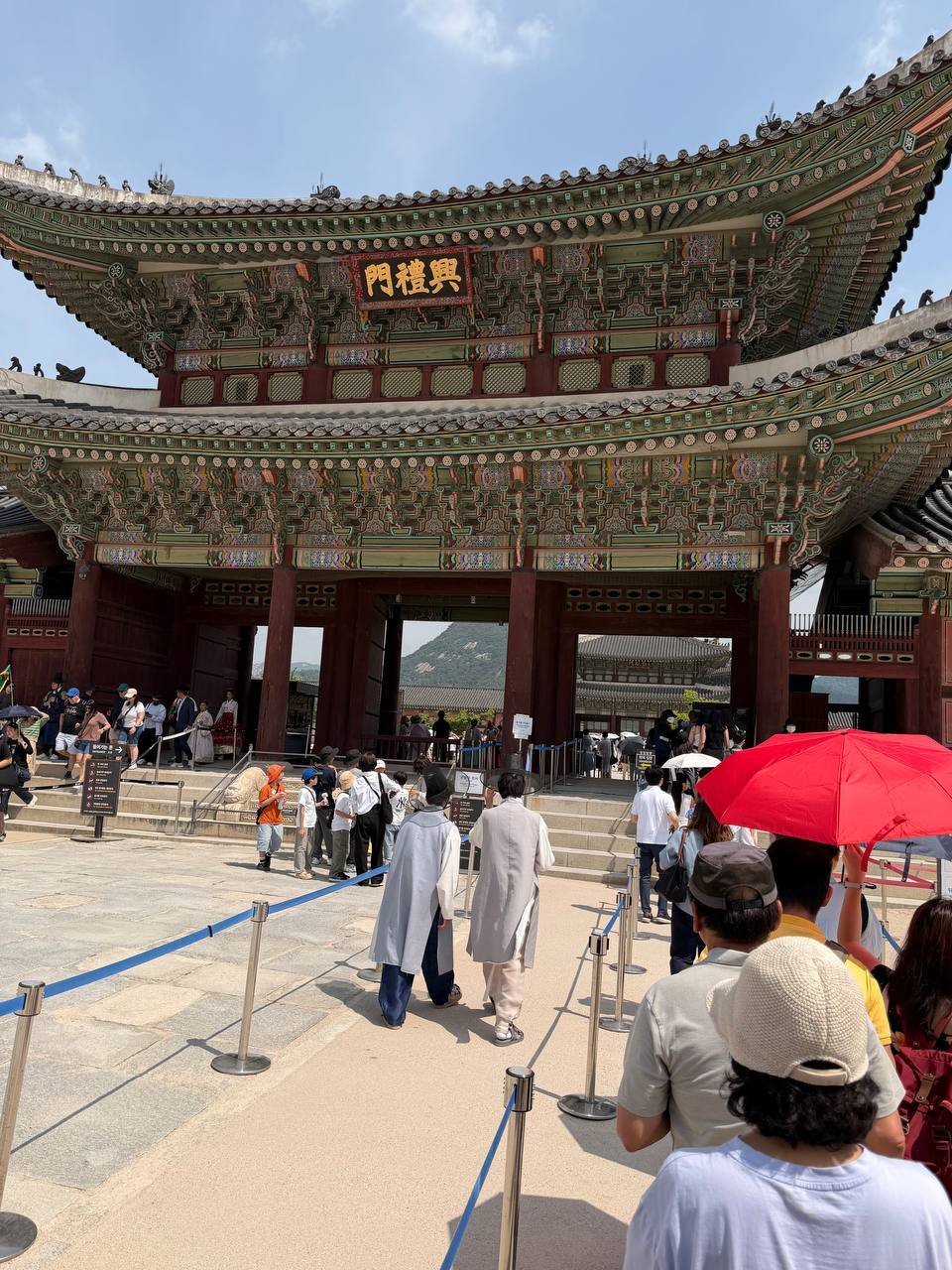
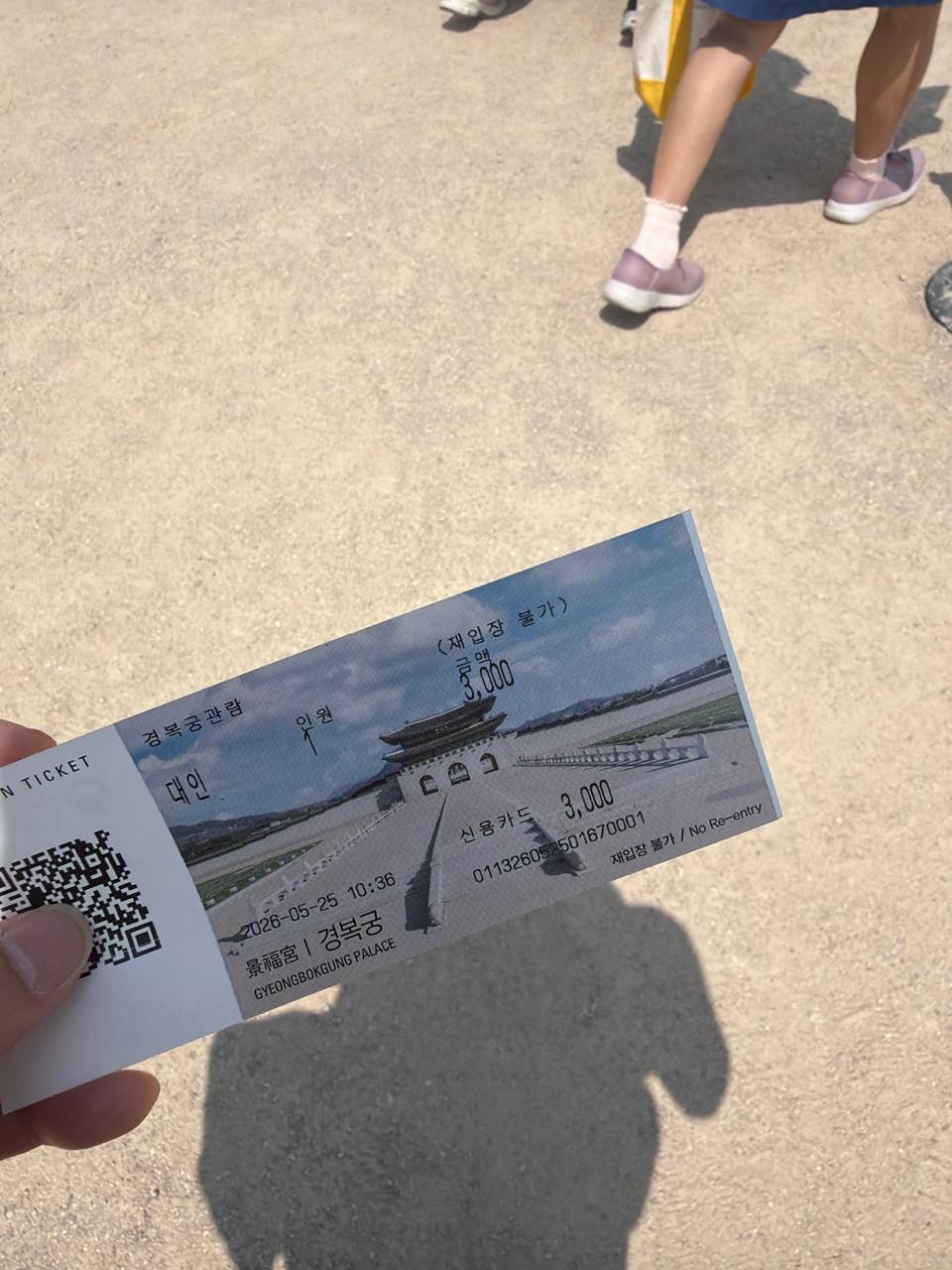
🏛️ Gyeongbokgung Palace — ₩3,000 admission · Free in hanbok · Closed Tuesdays
✅ Worth it: Yes — one of the most intact traditional neighborhoods in Korea
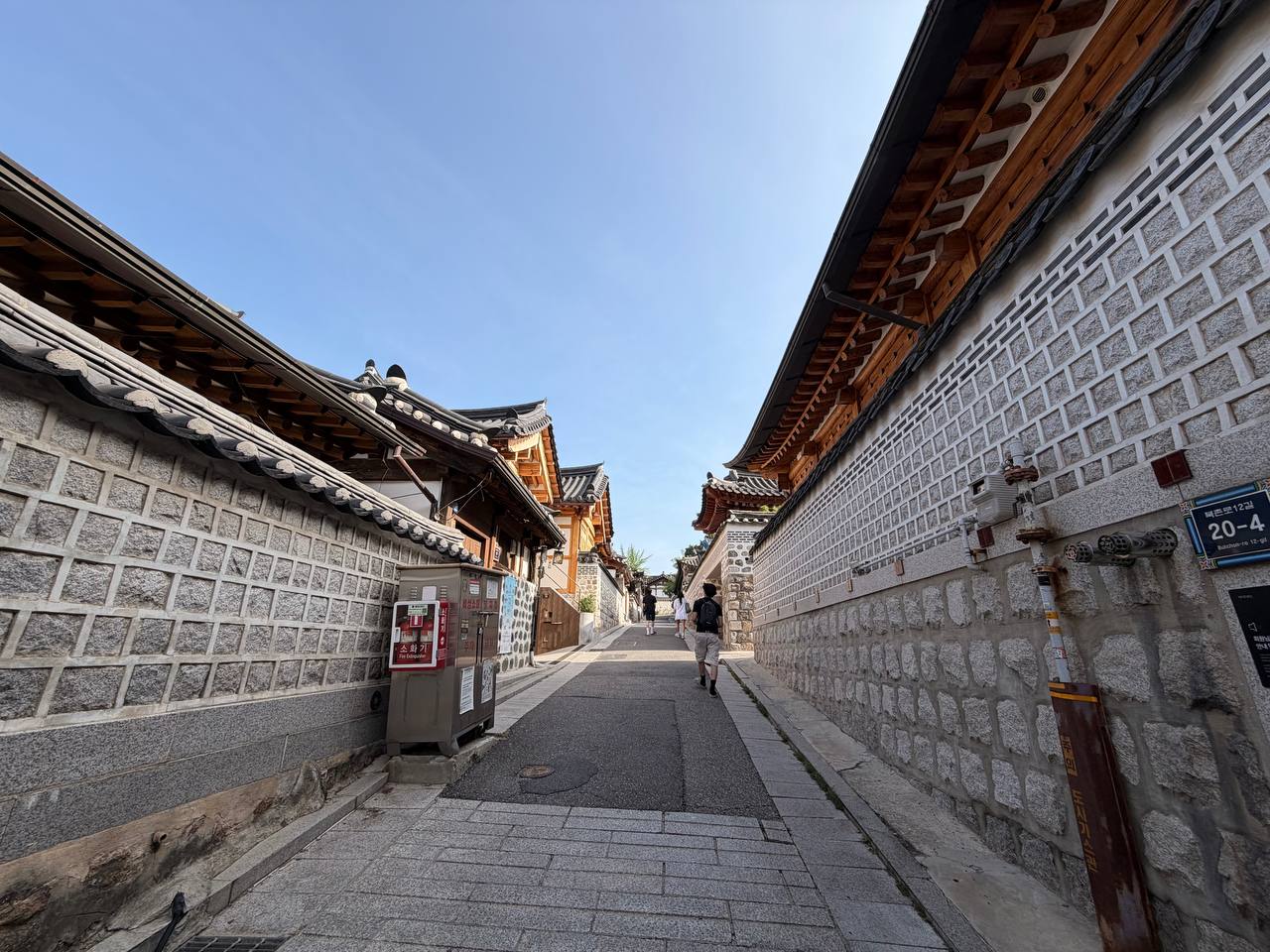
There is a neighborhood in central Seoul where the rooflines curve upward at the edges, the walls are made of stone, and the morning light hits the alleyways at an angle that makes everything look like a painting that hasn’t aged.
It’s not a museum. People live there.
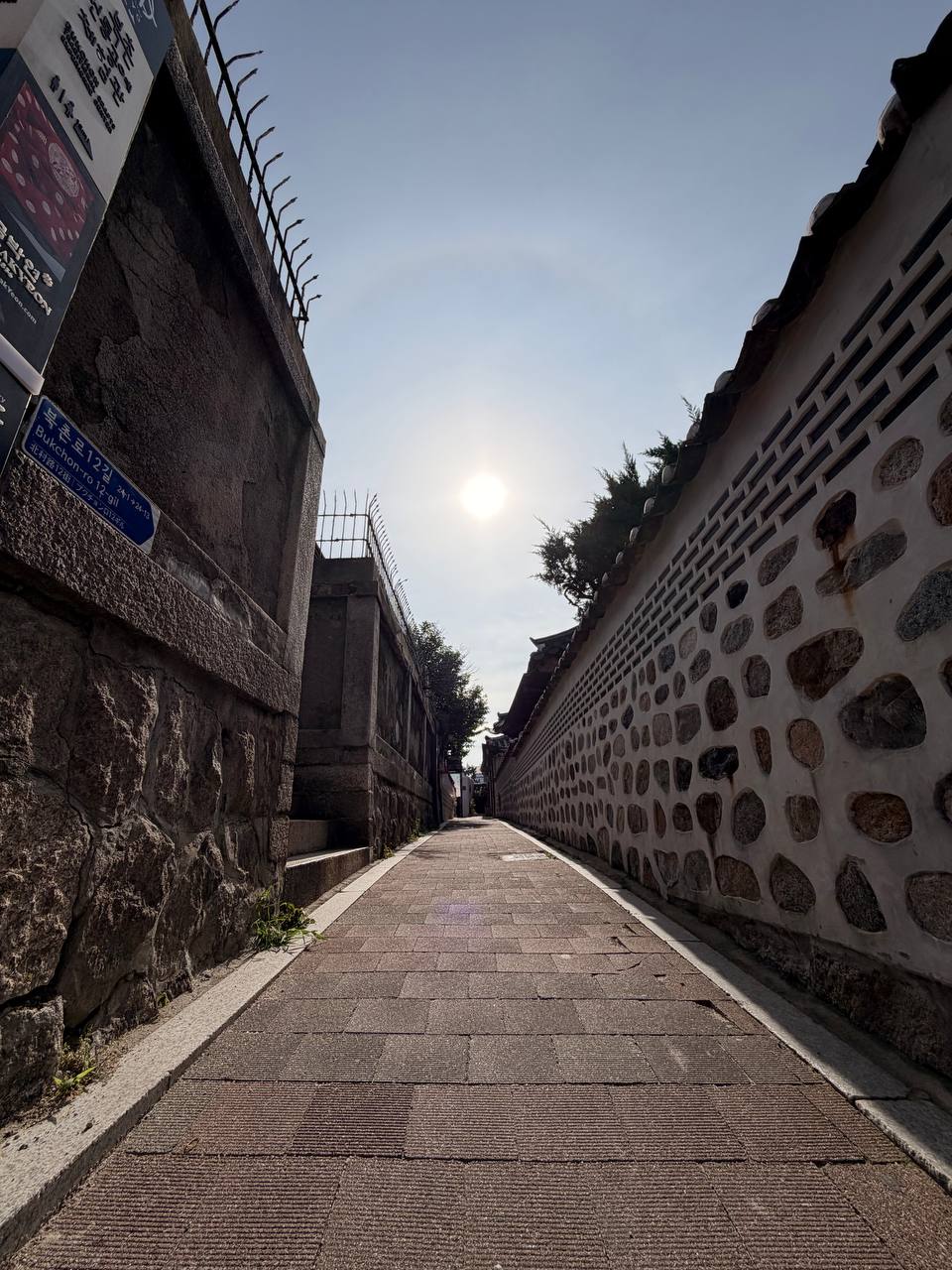
What Bukchon Is
Bukchon Hanok Village — 북촌한옥마을, literally “North Village” — sits between two of Seoul’s greatest royal palaces: Gyeongbokgung to the west and Changdeokgung to the east. Built in the 15th century during the Joseon Dynasty as the residential quarter for Seoul’s nobility and high-ranking government officials, it remains one of the best-preserved traditional urban neighborhoods in Korea.
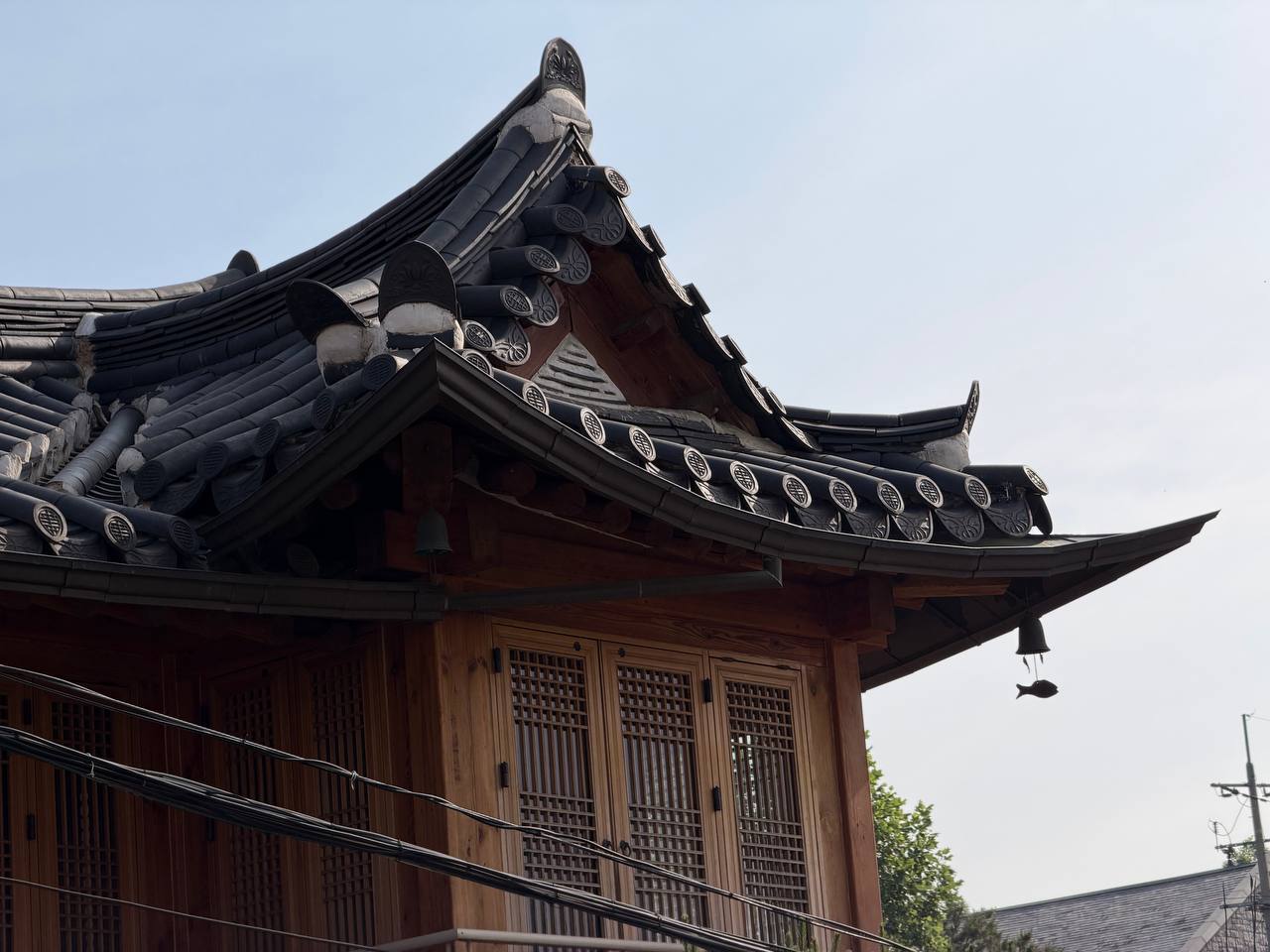
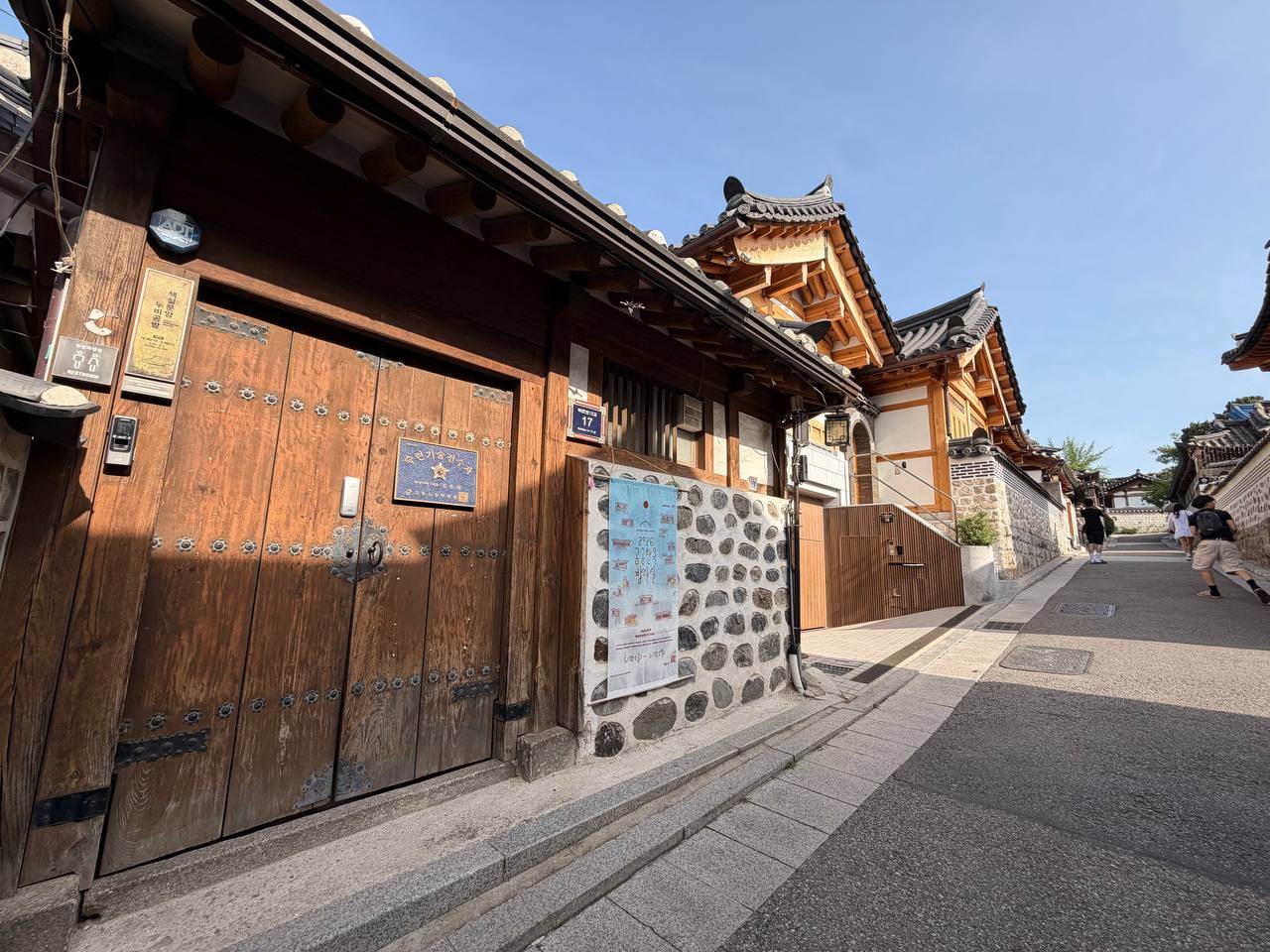
The hanok — traditional Korean wooden houses with curved clay tile roofs, stone courtyard walls, and careful orientation toward sunlight — were designed not just as shelter but as a philosophy of living. Walking through Bukchon in the morning, you feel the logic immediately. The alleys are narrow but never claustrophobic. The stone walls funnel a breeze. The giwa tiles catch the light differently at every hour.
Artist Hanbok — $4 and Free Palace Entry
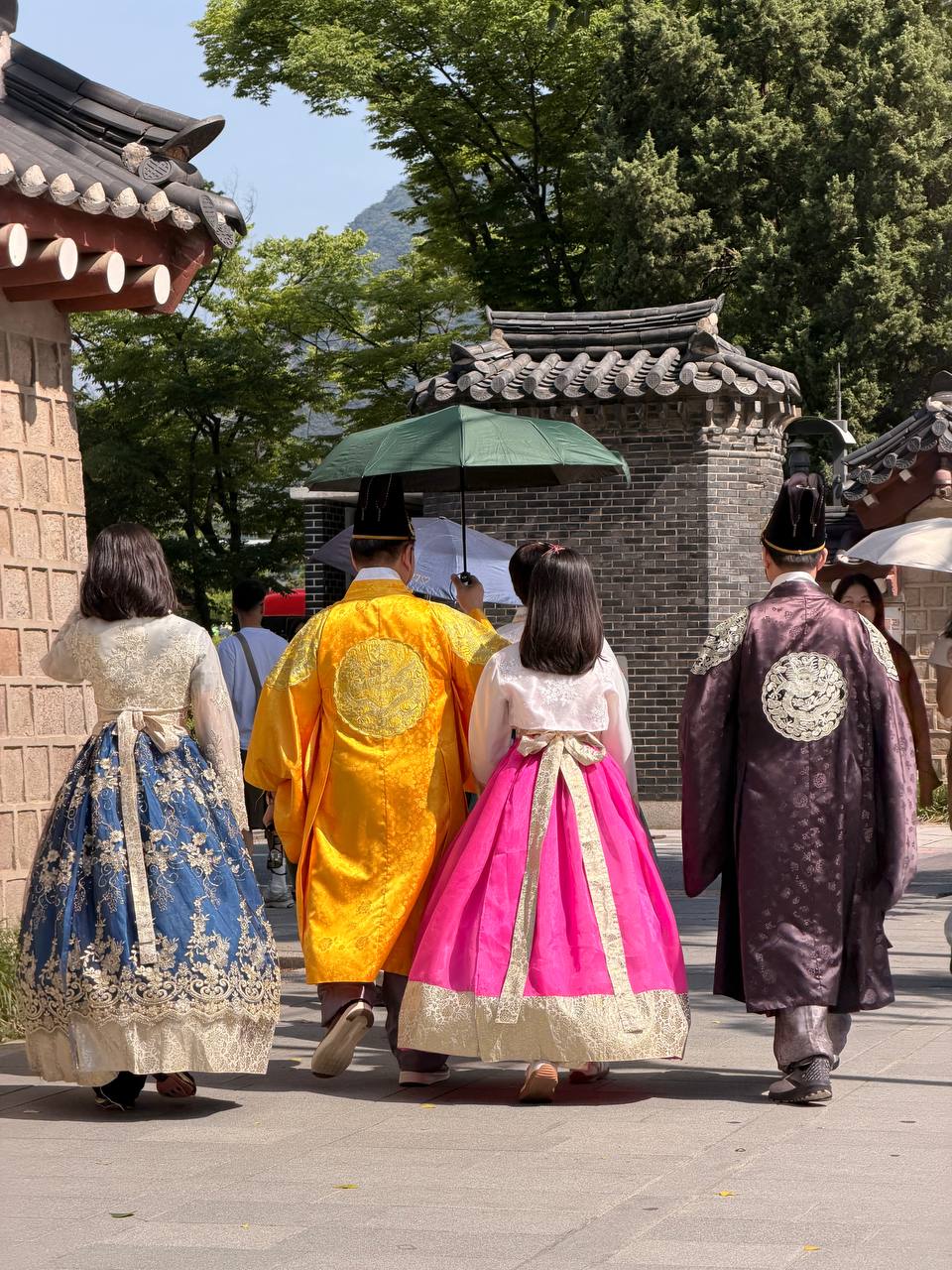
Near the entrance to Gyeongbokgung Palace, hanbok rental shops line the streets. The one worth knowing is Artist Hanbok — bookable via Agoda, around $4 per person for a half-day rental.
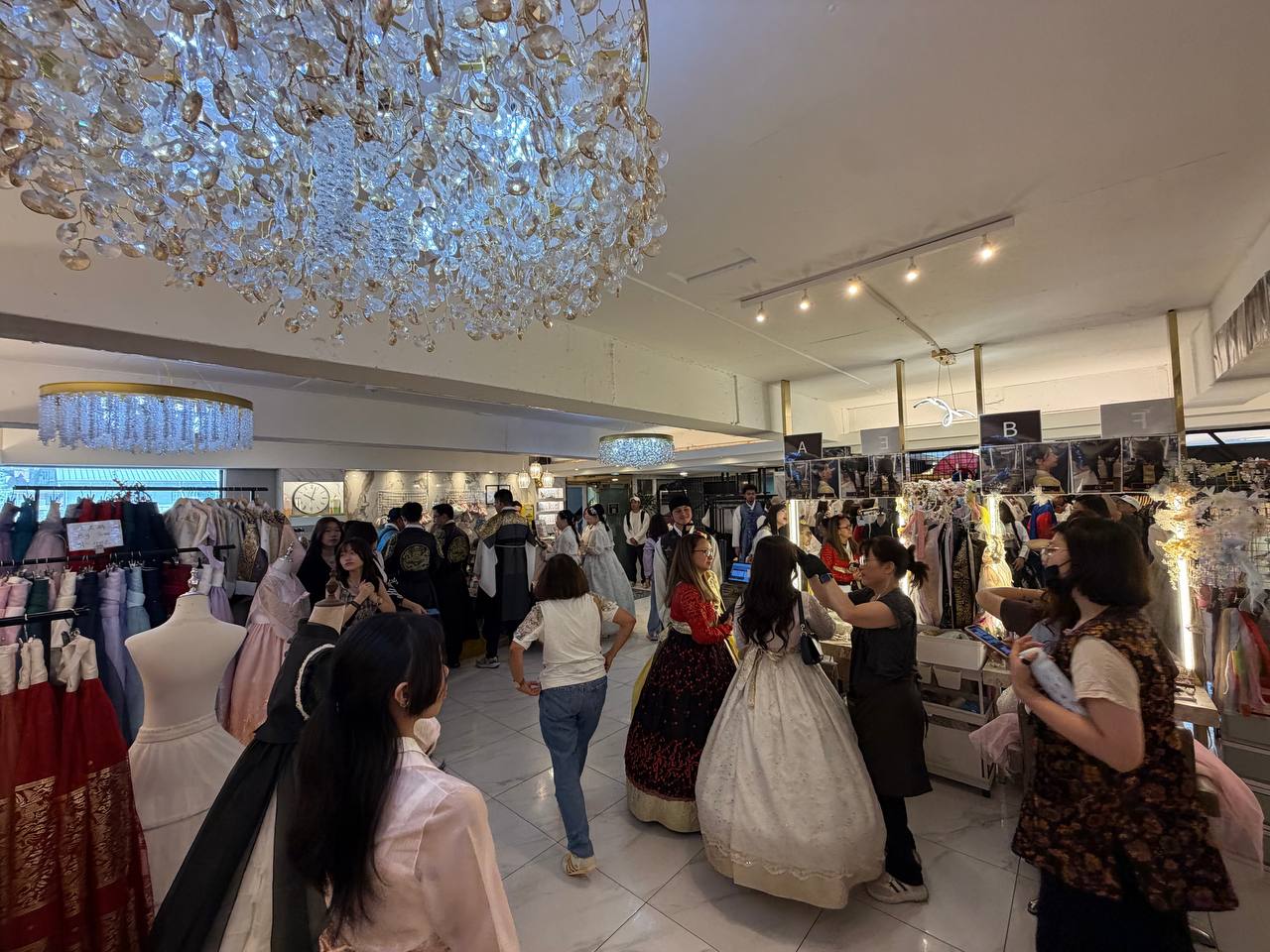
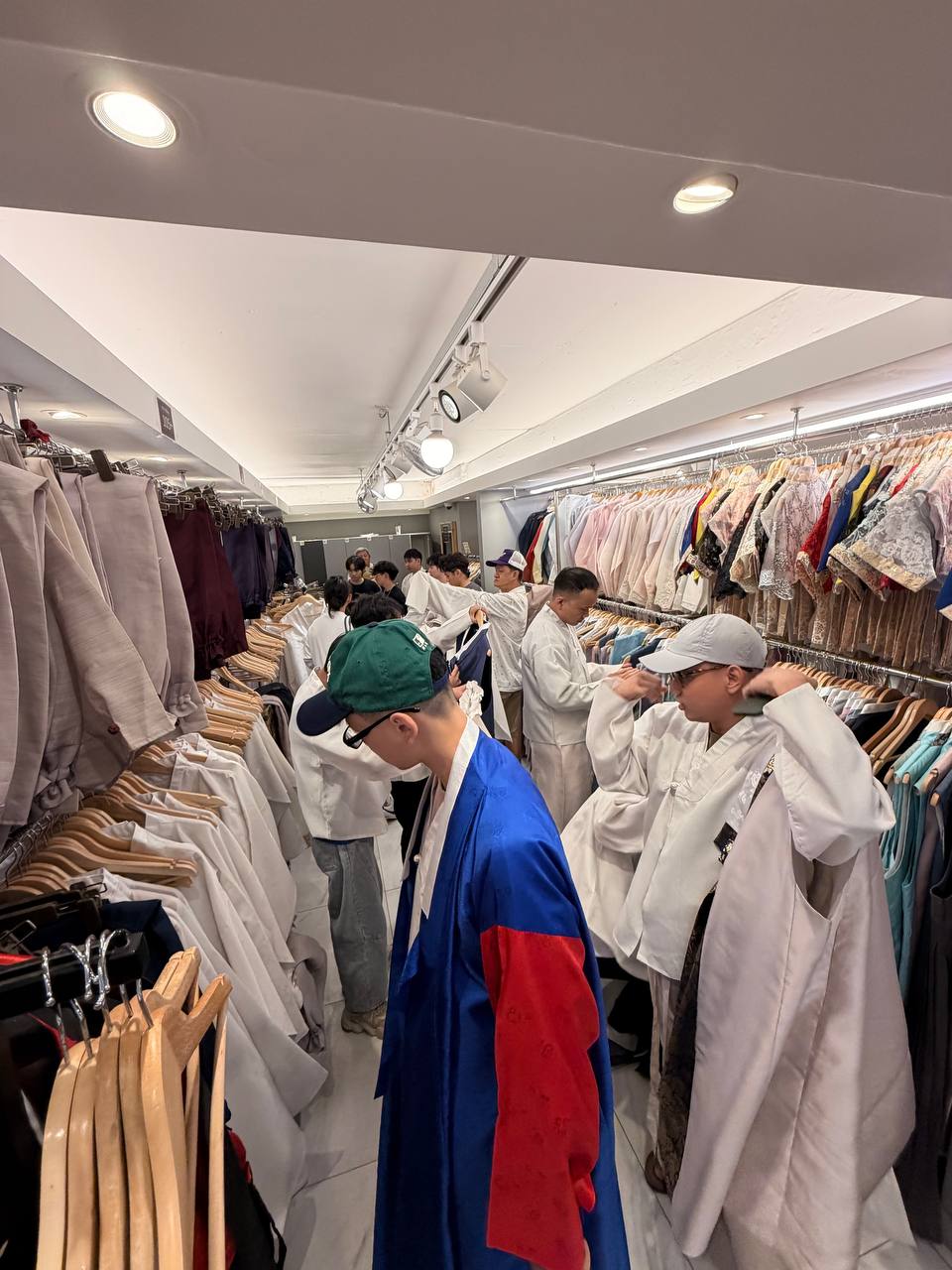
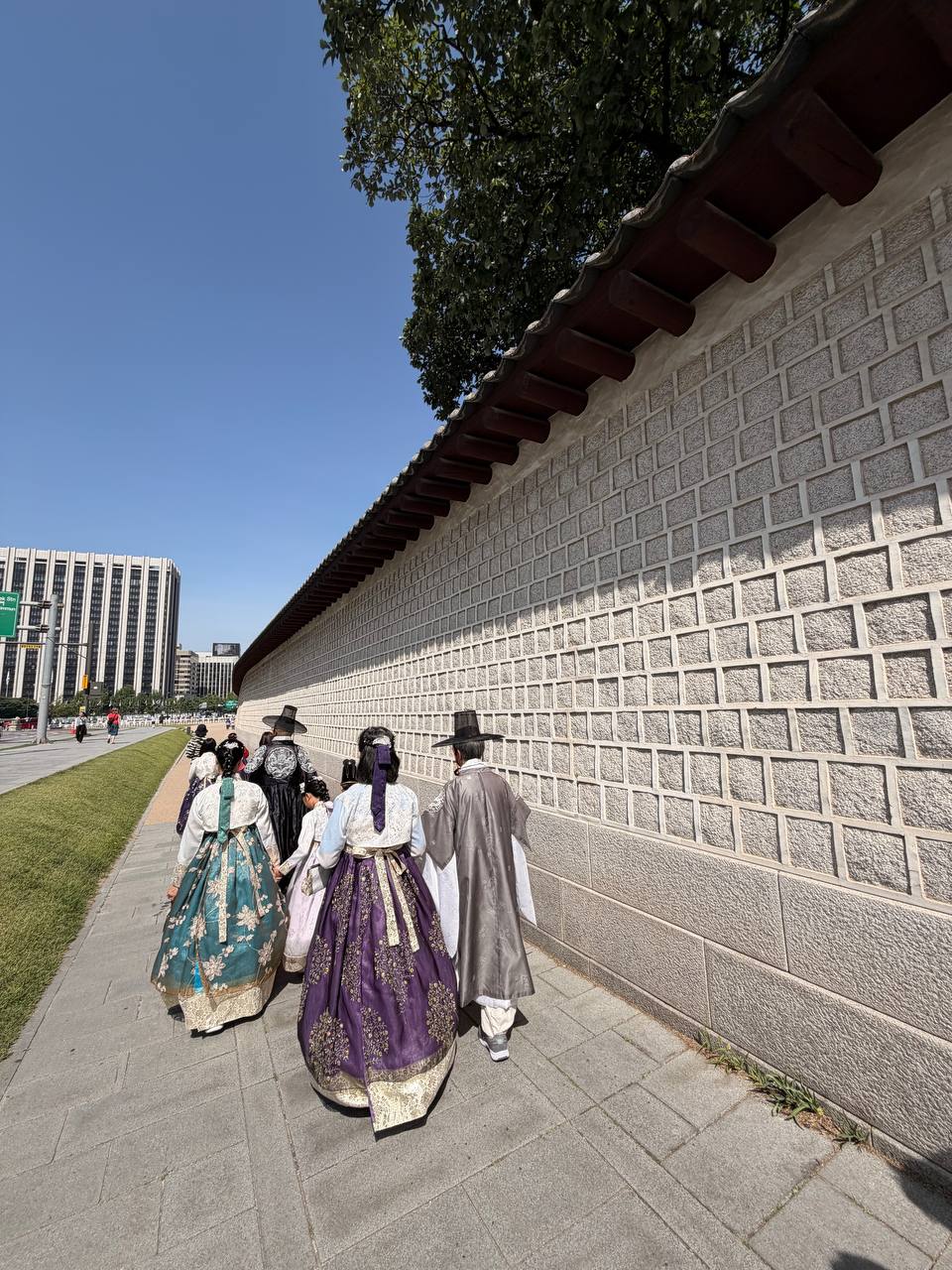
Here’s the part worth knowing: hanbok wearers enter Gyeongbokgung Palace for free. The government waives the ₩3,000 admission for anyone in traditional dress. That brings the math to: $4 hanbok rental → free palace entry → a full morning at one of Seoul’s greatest royal sites for less than the price of a coffee.
Gyeongbokgung Palace
A Neighborhood Under Pressure
Bukchon is beautiful. It’s also complicated. The same features that make it photogenic have made it a major tourist destination, particularly after Korean Wave content brought global attention to traditional aesthetics. Resident complaints about noise and crowds are documented and ongoing.
Seoul’s city government has implemented quiet hours and visitor guidelines. Signs in the alleys ask visitors to speak softly and remember that people actually live here.
The village survived six centuries of history, war, and modernization. What it navigates now is visibility. That’s a different kind of pressure — and it’s not resolved yet.
Seoul 2026 — Field Dispatches
→ The Village That Seoul Built Around Itself (you are here)
The Neighborhood That Feels Like Somewhere Else — Anguk-dong + Café Jinsun + London Bagel Museum
The Alley That Hasn’t Changed Since the War — Jongno Grilled Fish Alley + 삼천포집
₩17,900 and the City That Doesn’t Go Home — Hongdae Self-Service BBQ + Seoul Nightlife
📍 Bukchon Hanok Village
Bukchon-ro 12-gil, Gye-dong, Jongno-gu, Seoul
Nearest subway: Anguk Station (Line 3), Exit 2
Best time: Early morning (before 9am) — quieter, better light, fewer crowds
📍 Artist Hanbok — near Gyeongbokgung Palace entrance
Book via Agoda · ~$4/person · Includes free palace admission
📍 Gyeongbokgung Palace
Admission: ₩3,000 · Free in hanbok · Open daily except Tuesdays
← View the full Seoul 2026 Field Dispatches series
📬 Follow the field dispatches
I write about AI systems, travel intelligence, and how technology changes the way we operate. No noise — just field notes when something’s worth sharing.